
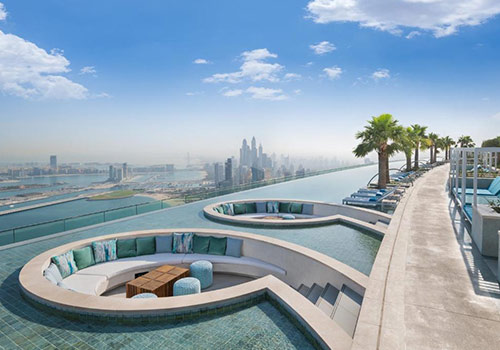
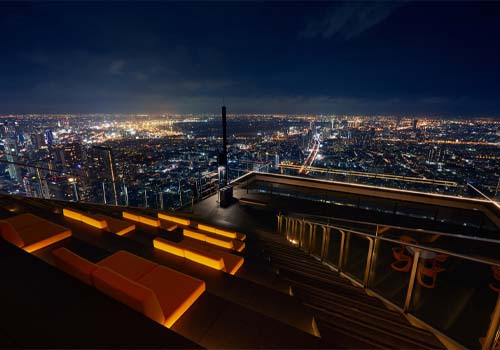
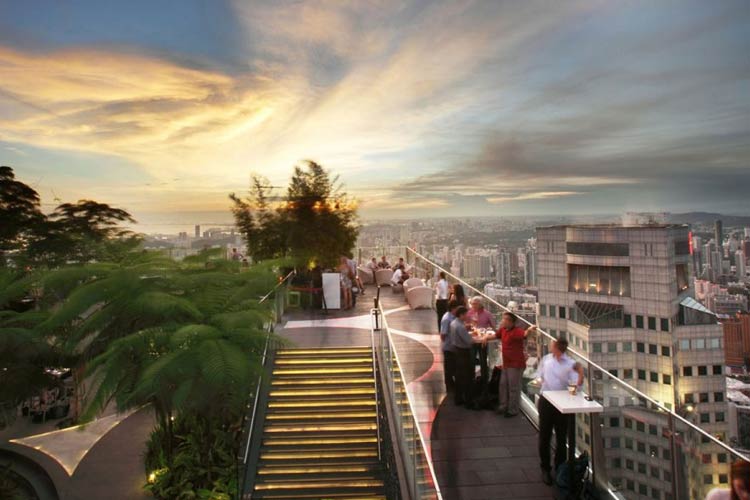
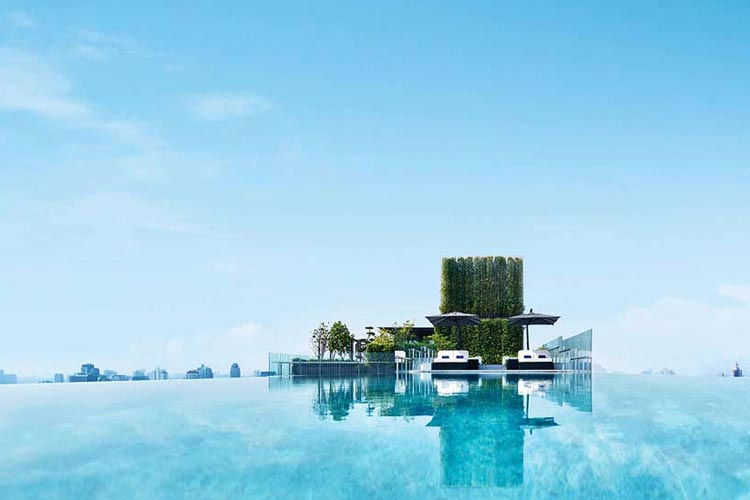
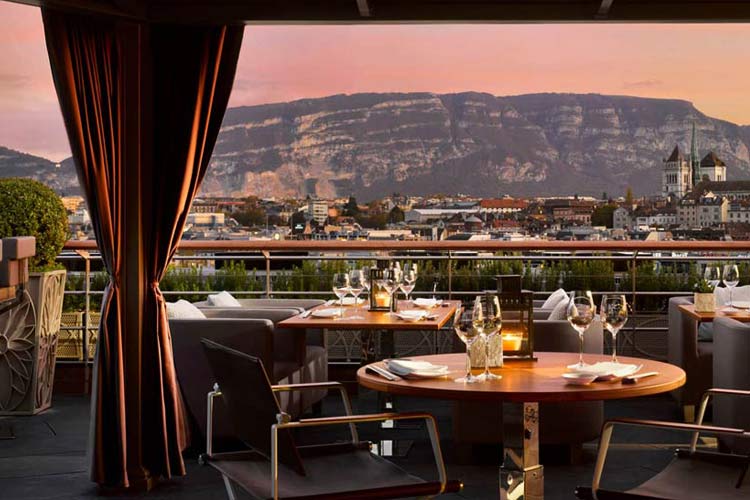
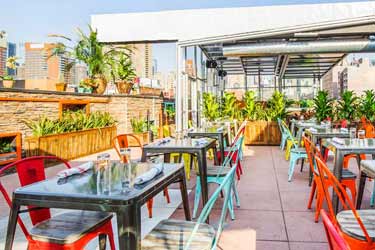
Nashville has built an excellent rooftop scene in a short space of time. Ten years ago the options were thin. Now there is a terrace on most new hotels downtown, the views over the river and the Batman Building are genuinely good, and on a warm evening it is one of the better places in the American South to be up high with a drink.
It is also, by some distance, the newest layer of a very old drinking city. Nashville was serving whiskey before the Civil War, ran a busy Prohibition trade out of the alleys off Fourth Avenue, and has buildings still in use as bars that predate every rooftop in town by a century.
This is a guide to that second night. When you have done the terraces and you want the version of the city that is at street level, or below it.
Start here, because it is where the city's drinking history is most concentrated into one physical space.
It is a narrow cut running between Third and Fourth Avenue, named for the printing and publishing houses that occupied it in the nineteenth century. During Prohibition it became the center of Nashville's speakeasy trade, and after repeal it ran as the city's nightclub district for decades, well before Broadway became what it is now.
The alley today is a mix of restored and slightly worn, which is the correct ratio. What it gives you that a rooftop cannot is enclosure. It is dark, it is narrow, the buildings lean over you, and it feels unmistakably older than the rest of downtown.
It also comes with the city's best known ghost story, attached to a 1964 shooting at one of the clubs, which locals will tell you about without much prompting.
Tennessee whiskey is the obvious reason to drink here, and the useful development of the last decade is that you no longer have to drive to Lynchburg for it. Downtown Nashville now has working distilleries within walking distance of the honky-tonks, producing and pouring on the same site.
The distinction worth understanding is that Tennessee whiskey is not simply bourbon with a different address. The legal definition requires the Lincoln County Process, which means filtering the new spirit through sugar maple charcoal before it goes into barrel. It strips some of the harsher notes and is the reason a Tennessee whiskey and a Kentucky bourbon of similar age taste noticeably different.
A flight is the efficient way to learn this. Tasting three or four side by side teaches you more in twenty minutes than a year of ordering one at a time.
Broadway's honky-tonks get the attention, and a few of them genuinely deserve it on the strength of the music rather than the marketing. But the rooms with the most history are mostly off the main strip: hotel bars in buildings from the 1910s, basements that were something else entirely during Prohibition, and a handful of places that have been serving continuously for longer than anyone working there has been alive.
The Hermitage Hotel, which opened in 1910, is the clearest example. Its lobby was the headquarters for both sides of the 1920 fight over the Nineteenth Amendment, when Tennessee cast the deciding vote on women's suffrage. You can have a drink in the room where that was argued out. The basement, which used to be a men's smoking lounge, has a reputation of its own.
The reason to treat this as a route rather than a list is that the distances are short and the history connects.
Downtown Nashville is walkable in a way most American cities are not. Printers Alley, the distilleries, the old hotels and the Ryman all sit within a few blocks of each other, and the interesting thing is how much the stories overlap once somebody points it out.
That is the logic behind the guided version. A Nashville haunted pub crawl runs about two hours, takes in three drink stops, and finishes inside SilverBelly Distillery with a whiskey flight in their SpookEasy room. It is twenty-one and up, the pace is easy, and the pitch is ghost stories and true local history rather than actors in masks, which is the version most people actually want. Costumes optional, and in October largely expected.
If you would rather do it alone, the route above works unguided. You will just be looking up the history on your phone between rounds.
Timing. Downtown fills from about eight on Thursday through Saturday. Anything historic and small is better at six than at ten.
Season. October is the peak, when the ghost material is everywhere and the whole city leans into it. The upside is atmosphere. The downside is that the good tours sell out on weekends.
Getting around. Everything here is within walking distance, which is worth knowing given the parking situation. If you are staying near Broadway you will not need a car at any point in the evening.
Age. Anything involving a whiskey flight is twenty-one and up, and you will be asked for ID.
None of this is an argument against the rooftops. Nashville's terraces are genuinely among the better ones in the region, and on the right evening there is nowhere else you would want to be.
It is an argument for spending one night at street level first. The view from above is better once you know what you are looking down at.
Browse all the cities & articles at The Rooftop Guide

Follow The Rooftop Guide