
There’s a certain feeling you get when you arrive at a rooftop bar that just works. It’s not always the height or even the view, although those help. Sometimes it’s a skyline at sunset, other times it’s a quiet terrace above a busy street. But the places that stand out tend to create an impression before you’ve even ordered a drink. You step out of the elevator or reach the top of the stairs, and something clicks. You slow down, take a look around, and settle in almost immediately. The atmosphere feels right without needing to think about it. That first moment matters more than most people realise.
Part of what makes rooftop bars so appealing is the shift they offer. You leave behind traffic, noise, and crowded sidewalks, and enter a space that feels separate from everything below. Even in busy cities, rooftops have a way of creating distance. The best venues make the most of this transition. Whether it’s through a well-designed entrance, a short walk through a lounge area, or simply the way the space opens up, there is a clear sense that you’ve arrived somewhere different. It sets the tone for everything that follows.
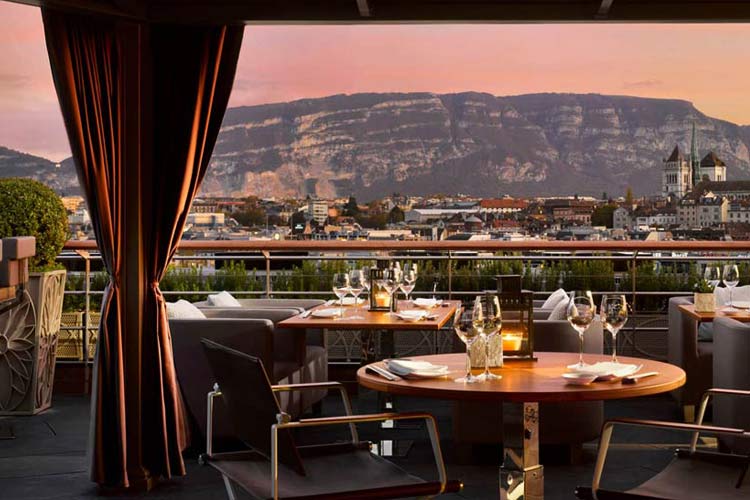
A great view will always be a draw, but it’s rarely the only reason a rooftop bar feels memorable. Some of the most enjoyable rooftop spots don’t rely entirely on dramatic skylines. Instead, they focus on how the space feels as a whole. Seating, layout, and the way the view is framed all play a part. If everything works together, the view becomes part of the experience rather than the only feature.
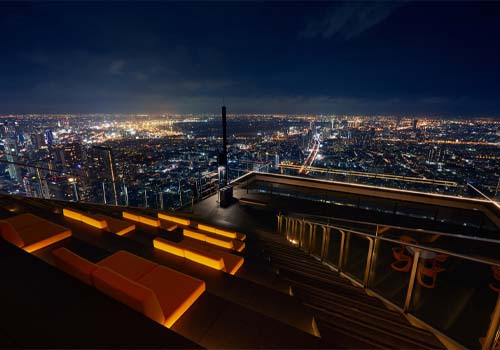
Timing plays a big role in rooftop settings, especially as day turns into night. Soft lighting can transform a space quickly. As natural light fades, the right balance of ambient lighting keeps the atmosphere warm and relaxed. Too bright, and it loses its edge. Too dim, and it feels disconnected. The best rooftop bars adjust seamlessly as the evening progresses, creating a smooth shift rather than a sudden change.
Sound behaves differently on a rooftop than it does indoors. Open air spaces allow sound to travel further, which means every detail becomes more noticeable. Conversations, movement, and background noise all blend together in a way that shapes the overall feel. That’s why many venues pay close attention to their audio setup. Alongside layout and lighting, carefully selected background music for bars helps define the mood without taking over the space. It adds energy when needed and softens the atmosphere when things quiet down. When it’s done well, you don’t really notice it. You just feel comfortable being there.
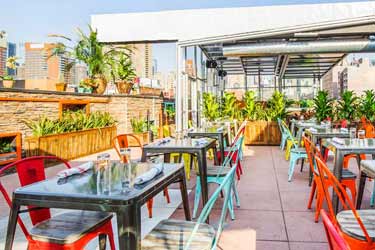
Rooftop bars tend to work best when they offer a mix of experiences. Some areas are designed for movement, standing, and socialising. Others are more settled, with seating that encourages people to stay longer. The balance between the two affects how the space is used. If everything feels too crowded, it can take away from the experience. If it feels too empty, it can lose energy. The right layout allows people to find their own pace within the space.
It’s often the smaller details that make the biggest difference. Materials, textures, and finishing touches all contribute to how a rooftop bar feels. From the type of seating to the way tables are arranged, these elements shape the experience in subtle ways. Even things like temperature and airflow matter more than you might expect. A well-designed space takes these into account so that nothing distracts from the moment.
When a rooftop bar gets it right, the experience feels effortless. You’re not thinking about the layout, the lighting, or the sound. You’re simply enjoying where you are. Those are the places people return to, not just for the view, but for how the space makes them feel. And while it’s easy to assume that it comes down to location alone, it’s usually a combination of thoughtful choices working quietly in the background. That’s what turns a rooftop visit into something memorable from the moment you arrive.
Browse all the cities & articles at The Rooftop Guide

Follow The Rooftop Guide