
Modern urban tourism is increasingly centered around curated experiences, with trips planned as a sequence of specific moments rather than just visits to landmarks. Technology plays a key role in shaping these journeys, offering personalized suggestions and blending offline and online leisure. Part of this shift includes the growing popularity of interactive digital formats, such as casual online activities and event-based participation, including options like sweepstakes platforms https://www.pokerlistings.com/sweepstakes, which reflect how entertainment is becoming more accessible and integrated into everyday downtime. At the same time, rooftop spaces align seamlessly with this trend—combining panoramic views, social atmosphere, and hybrid entertainment formats, they have become an essential part of contemporary city travel experiences.
Until recently, a trip to a major city looked pretty much the same: sights, a museum, a stroll through the city center. Now, people are more likely to plan their itinerary around experiences -- dinner with a view, an evening event, or an unusual leisure activity.
The value of a trip now lies in the experience of being there. Instead of standard tours, people are choosing immersive experiences: walks with locals, culinary evenings, and small events with a limited number of guests. Cities are adapting to this and offering events that are hard to replicate.
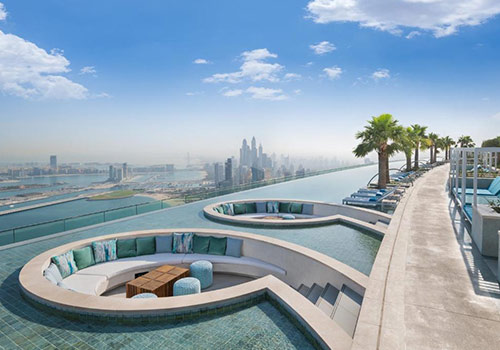
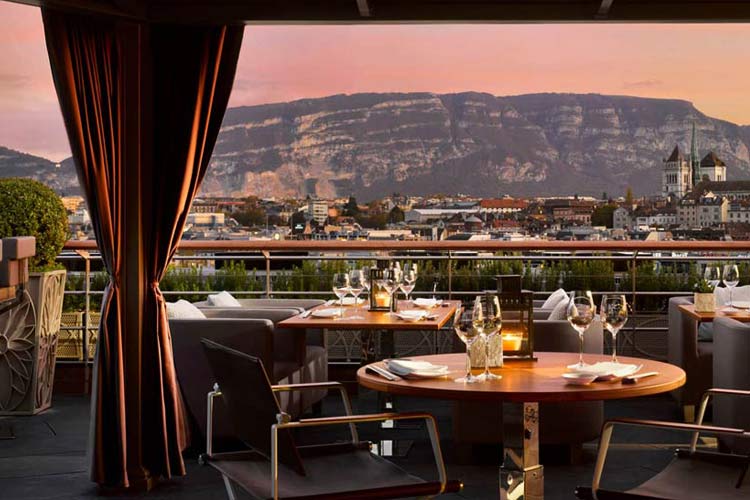
Rooftop locations fit perfectly into this experiential travel trend. They offer a different view of the city and immediately provide several options -- from dinner to a party. That's why itineraries are increasingly built around these spots rather than a list of tourist attractions.
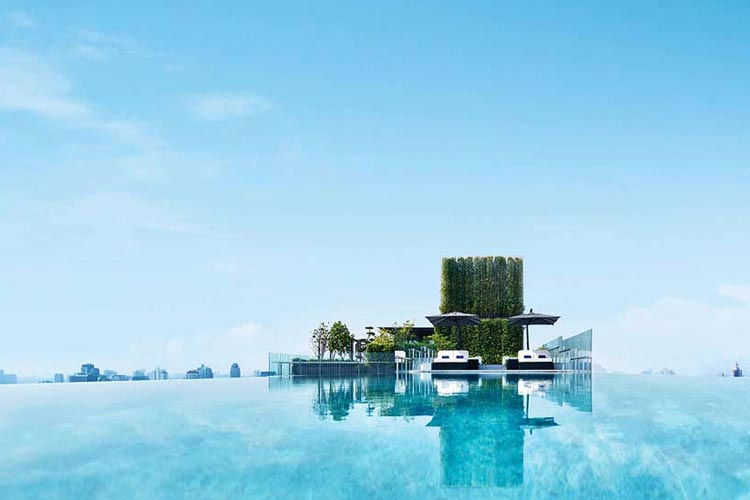
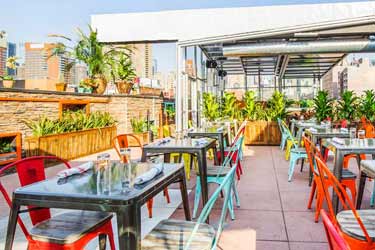
Rooftop bars and restaurants, pools, and lounges offer several options at once: dinner, music, relaxation by the water, and exclusive events. The reasons for this growth are obvious. Height changes the perception of the city -- familiar neighborhoods look different, and there's a sense of distance from the noise and heavy traffic. At the same time, the format remains flexible: during the day, the space can function as a relaxation area; in the evening, as a venue with a DJ or an intimate event.
Privacy also plays a role: a limited number of guests creates a more peaceful environment compared to crowded tourist spots. For tourists, such locations fulfill several needs at once. Here, one can spend several hours without moving around the city, combining dining, relaxation, and a visual experience.
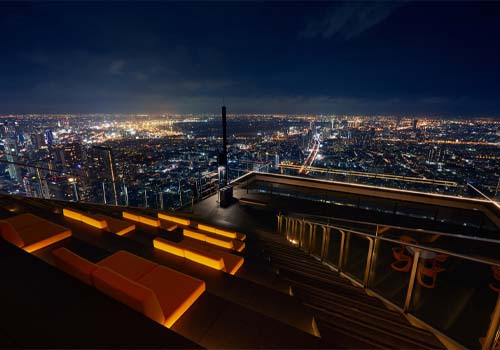
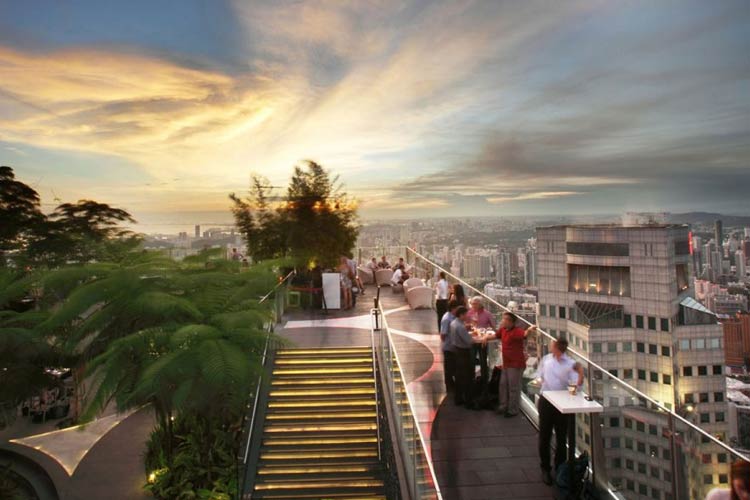
Panoramic views are one of the travel lifestyle trends when choosing a destination. People check in advance what the city looks like from a specific vantage point: where the horizon lies, whether water is visible, and how the light changes at different times of day. Sunsets, nighttime lighting, and morning fog -- all of these influence the experience just as much as the cuisine or the evening's program.
Height amplifies the emotional response. The space feels more expansive, creating a sense of scale and control over what's happening. For many, it's a way to capture the city in a single frame and preserve the moment. That's precisely why tables by panoramic windows or at the edge of a terrace are booked in advance and cost more.
Moreover, locations with striking views are automatically perceived as more exclusive and prestigious. Even a simple setting, such as a cocktail hour or breakfast, takes on a different significance because of the surroundings.
Rooftop locations are closely tied to visual content for Instagram and TikTok. Photos and short videos taken from above go viral quickly and generate interest in specific spots. A single well-timed sunset video can attract a flood of guests in just a few days.
Algorithms amplify the effect: panoramic views and natural light hold attention longer and appear more frequently in recommendations. As a result, people are no longer just looking for venues, but for specific views from their feeds, and they time their visits accordingly. Rooftop venues deliver this result immediately, without the need for complex preparation.
Urban leisure in 2026 is closely tied to digital tools. AR tours add visual layers to familiar routes, VR spaces transport users to simulated scenes without leaving the building, and recommendation algorithms match events to specific interests and the rhythm of the trip. Even a short evening out in the city is increasingly planned through a smartphone screen -- from finding a location to payment and feedback.
AI-powered services analyze user behavior: time spent active, food preferences, and leisure activities. Based on this data, tailored suggestions are generated -- for example, an evening on a rooftop with live music or a private event with a limited number of guests. Digital menus, contactless payment, and automated service reduce time spent on routine tasks and leave more room for rooftop experiences.
At the same time, the segment of digital entertainment outside physical venues is also growing. Interactive games and sweepstakes casinos are part of the relaxation experience, especially while traveling. Users can switch between offline and online formats without losing engagement, continuing their leisure time in a comfortable setting.
Booking platforms track venue occupancy in real time and offer slots based on user behavior: some prefer an early dinner, others -- late-night events with music. Prices and availability change dynamically, and the system suggests the best options for a specific day and scenario.
Services remember details: favorite drinks, seating preferences, and interest in specific types of events. On their next visit, guests see a personalized offer -- from a specific table to the evening's format. This reduces unnecessary steps and makes the experience more seamless.
Rooftop venues are actively transitioning to a mobile-first model. QR codes replace paper menus, orders are placed directly from a smartphone, and notifications provide updates on kitchen status or the time of the next set. Sections for drinks, dishes, and events open with just a few taps.
Mobile solutions simplify navigation within the venue. Guests can immediately see available areas, check booking conditions, or engage with additional features -- such as voting for tracks or interactive elements during an event.
Key trends shaping how rooftop venues look and operate today:
Scenarios for different times of day. Spaces are designed in advance to accommodate changing formats: morning sessions, daytime relaxation, and evening events.
Limited access and intimate settings. A small number of guests enhances the sense of privacy and influences pricing.
Integration of digital services: QR menus, event notifications, and personalized recommendations within the venue.
Seasonal and temporary projects: rooftops operate as pop-up venues for several months with a unique program.
Focus on the visual environment: lighting, zoning, and design are tailored for photos and videos.
A combination of food, music, performances, and interactive elements in one place.
Eco-friendly solutions are becoming an integral part of rooftop architecture. Greenery lowers surface temperatures and improves the microclimate, while rainwater harvesting systems are used for irrigation. Recycled materials and lightweight structures are increasingly used in finishes, reducing the load on the building.
The menu is also changing. Rooftop restaurants are emphasizing local produce and seasonal ingredients, thereby reducing logistics and energy costs. Lighting is being switched to energy-efficient systems, and some venues are installing solar panels to meet their basic energy needs.
The rooftop leisure experience goes beyond parties. In the morning and afternoon, yoga classes, breathing exercises, and meditation sessions take place here with a view of the city. The spaces are designed to be more relaxing: more natural light, calm music, and areas for privacy.
Light meals, non-alcoholic beverages, and an emphasis on fresh ingredients. Guests can spend several hours at a leisurely pace without leaving the venue or switching between locations.
The same rooftop operates under different scenarios throughout the day. In the morning -- a calm atmosphere and minimal noise; in the afternoon -- a lounge with food and drinks; in the evening -- music, lighting accents, and a busier crowd.
This transformation is achieved through lighting, sound, and reconfiguring the zones. Furniture is moved, lighting is intensified, and a stage or DJ set is set up. A guest who arrives in the afternoon can stay until evening and enjoy a different kind of city nightlife experience.
Rooftops are gradually becoming part of a city's basic infrastructure, and this is one of the urban travel trends 2026. They are being incorporated into new projects at the conceptual level, alongside public spaces, restaurants, and recreational areas. For tourists, this means that rooftop venues are becoming part of itineraries on par with museums and squares.
In the coming years, integration with city services -- from navigation to booking systems -- will intensify. Venues will be connected through unified digital solutions, and access to them will become easier thanks to flexible schedules and dynamic formats.
The number of rooftop venues is growing, formats are changing rapidly, and access to the best venues is often limited. Without an up-to-date guide, it's easy to miss interesting spots or end up in an overcrowded space. Curated lists and reviews help navigate this flood of options and plan your visit more effectively.
Browse all the cities & articles at The Rooftop Guide



Follow The Rooftop Guide