
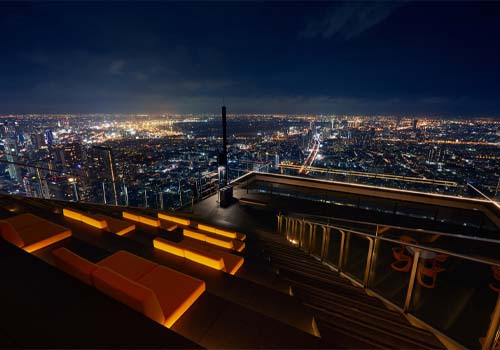
"Can everyone see my screen?" You've probably said this a million times on Zoom. But it hits different when you are sitting fifty floors up, looking at a real-world city skyline instead of a virtual background. For a lot of digital nomads and remote project leads, working from a gorgeous open-air terrace is the ultimate flex. It beats a boring office any day of the week. But let's be real for a second. That fresh air up there doesn't make your connection safe. The local Wi-Fi in these places is almost always incredibly sketchy.
Staring at a blank hotel room wall gets old fast. Neither does fighting for a tiny, wobbly table at some loud coffee shop around the corner. People who build businesses online want real inspiration. They need spaces that actually make them want to create things. High-end rooftop spots noticed this early on. They quickly adapted by adding heavy-duty power outlets and comfortable workstations right next to those crazy panoramic views.
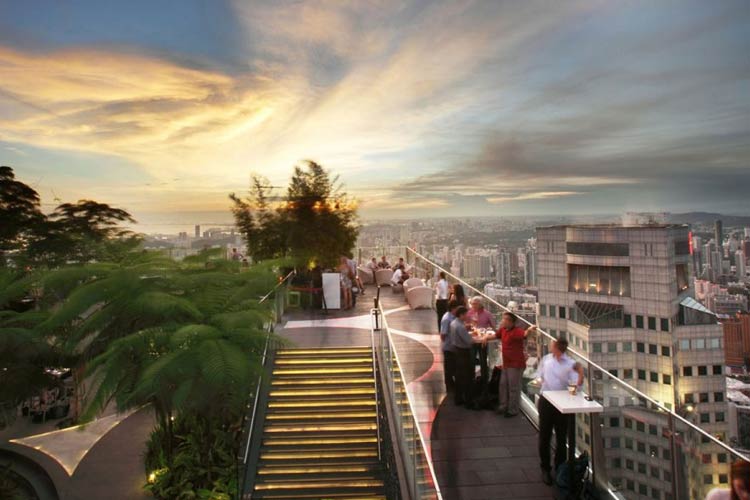
Think about it. You might be checking out the best rooftop bars in Bangkok to clear an inbox full of client emails before dark. Or maybe you are finalizing a huge marketing launch from a terrace in Madrid. This isn't just a vacation - it's how people live now. These spots make it easy to hit a deadline and jump straight into a happy hour. But while you fix your presentation slides, your laptop is blasting your private data right into the open air.
The easiest way to kill this risk is to wrap your web traffic inside a heavy-duty encrypted tunnel. A premium VPN completely scrambles everything leaving your device before it ever hits the local airwaves. Even if a hacker intercepts your data while you are sitting at the bar, they just get an unreadable mess of broken code. This keeps your client contracts, passwords, and crypto tokens perfectly safe.
You shouldn't have to guess or pay for an expensive annual subscription upfront while you are constantly moving between countries. The smartest play is to find a reliable virtual private network and test a VPN for free before you subscribe to see how the connection speeds hold up when the venue gets packed. Testing a premium tool live tells you exactly how it handles real work pressure without risking your own money.
When you are putting a software trial through its paces from an outdoor cafe or rooftop terrace, ignore the basic marketing hype and check these specific things:
Keeping a close eye on these practical features during your test run tells you exactly what you are paying for. It gives you a zero-risk way to make sure the software actually fits your day-to-day workflow and travel habits.
Let's look at the facts. Fancy bars attract people with money. Criminals know exactly where to find high-earning developers, busy tech consultants, and agency owners who travel with corporate cards. The bar staff is paid to mix great drinks, not run network security. Because of that, the venue's basic Wi-Fi setup rarely has any real walls to stop a targeted hack.
Connecting to an unencrypted network means your web traffic is a giant open book for anyone sitting nearby with a cheap laptop. You do not need a computer science degree to snoop on someone else's connection or set up a clever digital trap. The main risks usually look like this:
Relying on a network just because a place serves a flawless espresso is a massive rookie mistake. If you don't actively lock down your traffic, you are basically leaving your business accounts wide open on a crowded table.
One bad digital handshake can ruin an entire international trip in less than five minutes. Recent industry data on public Wi-Fi security risks during travel clearly shows that major tourist hubs and hospitality hotspots see a massive amount of data theft. Losing control of a client's project, leaking proprietary code, or watching a stranger drain your corporate card while you wait for dinner turns a dream lifestyle into an absolute administrative nightmare.
Having the freedom to work from some of the most beautiful balconies on the planet is an incredible perk of the modern remote economy. Closing a major business deal while watching a massive city light up below you is an unforgettable experience. But keeping that freedom means taking full responsibility for your own digital workspace. Spending thirty seconds opening a secure connection before you start typing keeps your files private, your clients happy, and your eyes focused on the skyline.
Browse all the cities & articles at The Rooftop Guide





Follow The Rooftop Guide