
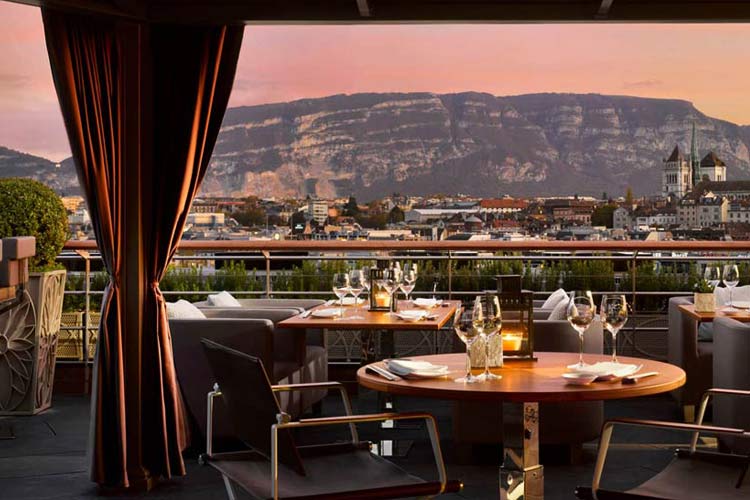
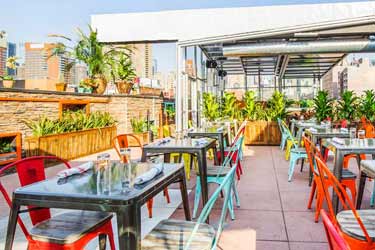
Once purely functional crowns of buildings, rooftops have evolved into some of the most cherished meeting places in cities around the world. From New York to Nairobi, these elevated decks now serve as bars, gyms, gardens, cinemas, or coworking terraces.
Their rise reflects a shift in urban design, where limited ground space and a growing desire for open-air experiences have merged into one trend. Social, digital, and economic factors have converged to make rooftops emblematic of how cities and lifestyles continue to adapt to denser realities and changing expectations.
Innovation in user experience often crosses from virtual to physical environments, as seen in digital ecosystems that prioritize transparency, fluid navigation, and trust, principles also evident in new hospitality models.
Comparable experiments in secure and frictionless UX appear in the crypto economy, exemplified by the CryptoNews list of bitcoin gambling sites, where clear payment flows, authentication efficiency, and responsive design underpin user retention. Much like online platforms refining interface simplicity and transaction security, rooftop venues use digital booking systems, real-time capacity displays, and contactless ordering to create seamless access.
The same values, clarity, speed, and reliability, connect blockchain-driven interactions with these elevated social ecosystems, demonstrating a common pursuit of friction-free engagement.
The global rise of rooftop spaces begins with a spatial problem: limited land. In densely built environments, every horizontal square meter carries high economic value, leaving architects to experiment vertically.
By activating the roof plane, developers add usable leisure, hospitality, or cultural functions without new construction footprints. Regulatory advances have supported this movement, with city authorities updating safety codes and accessibility standards to encourage adaptive reuse. These changes transform rooftops from passive insulation layers into revenue-generating hubs.
The architectural opportunity extends beyond aesthetics; insulated green roofs moderate temperatures, while revenue from rooftop cafés or events can subsidize building maintenance, creating a practical synergy of form and function.
Rooftop socialization responds to a deeper environmental sensibility. As urban residents seek reprieve from the heat and noise below, elevated spaces offer exposure to natural wind flow and sunlight regulation. Designers now blend sustainability with comfort, integrating solar canopies, rainwater harvesting, and native plant systems into rooftop setups. These additions lower building energy consumption while improving biodiversity.
Beyond environmental gains, such projects support mental health, granting urban dwellers rare access to sky and horizon. The combination of ecological purpose and social convenience helps explain why rooftops have become engines of both relaxation and resilience within increasingly compact cities.
Commercial sectors have embraced the rooftop as the perfect stage for experiential differentiation. Restaurants and hotels use skyline panoramas to justify premium pricing, but the true driver lies in narrative value, the story told by light, altitude, and perspective. Brands associate rooftop events with exclusivity and freshness, appealing to a generation drawn to visually striking, shareable moments.
Music performances, movie screenings, and fashion showcases held under open skies link commerce with culture. Behind this explosion of rooftop experiences lies sophisticated logistics: structural reinforcement, weatherproofing, and crowd management systems ensure safety without sacrificing atmosphere. The outcome is a carefully mediated balance between intimacy and spectacle, making rooftops both profitable and symbolically aspirational.
Digital technology has enabled rooftops to operate as smart social systems. Sensors monitor occupancy and adjust lighting or temperature, while integrated apps offer ordering, ticketing, and even augmented-reality overlays describing the surrounding skyline.
These data-driven tools derive from broader trends in the Internet of Things, showing how infrastructure and analytics merge to enhance hospitality. Contactless payments, often powered by blockchain or instant digital wallets, mirror the functionality that anchors trust in other networked sectors. Real-time metrics track crowd flow patterns, informing design decisions and safety improvements.
As a result, the modern rooftop doubles as an experimental lab for sustainable service design, combining human experience with continuous feedback loops from connected technologies.
Every city interprets the rooftop through its own cultural lens. In Middle Eastern capitals, shaded terraces maintain traditional patterns of evening sociability, while in European metropolises, rooftops replace courtyards as gathering points for after-work leisure.
Asian urban centers often integrate gardens and small temples, turning height into harmony rather than excess. The global nature of this phenomenon makes rooftops microcosms of modern urban identity, open to the sky, yet shaped by precise local practice.
The architectural vocabulary of glass balustrades, pergolas, and vertical landscaping signals a shared aspiration for elevation without separation. This convergence of cultures, sustainability, and design underlines why the skyline has become humanity’s newest meeting ground, both symbolic and tangible in equal measure.
Browse all the cities & articles at The Rooftop Guide



Follow The Rooftop Guide