
More and more people are starting to speak about neurodivergence and the challenges that neurodivergents have to face in modern, unadapted environments. While it's a massive breakthrough in terms of destigmatizing neurodivergent experiences, not many people know how to address neurodivergent symptoms.
Whether you are neurodivergent yourself or want to support a close one with neurodivergent symptoms, there is one tip. It's commonly known, but not commonly used. Meet rooftops and discover how they help regulate main neurodivergent symptoms in adults.
By Neurodivergence, people mean brain functioning that differs from what's considered typical. Neurodivergent symptoms are natural variations and can be seen in rats, dogs, monkeys, cats, and other animals besides humans.
For centuries, adults with neurodivergent symptoms carried stigma. In terms of answering "Am I neurodivergent?", this neurodivergent test provides the quickest results, but only a mental health professional can officially diagnose. Getting an official neurodivergent diagnosis can be challenging, but it's ultimately useful to get specialized care and accommodation.
Although people hear the term "neurodivergent," it's not actually in the official diagnostic criteria. Other mental health conditions fall under the "neurodivergence" definition, such as:
Neurodivergence typically affects several domains. While every neurodivergent adult is unique, many share common symptoms and traits, such as:
The brain's ability to plan and organize is tied to the prefrontal cortex, a part of the brain that makes humans the most complex species.
The ability to use different muscles harmoniously and intentionally.
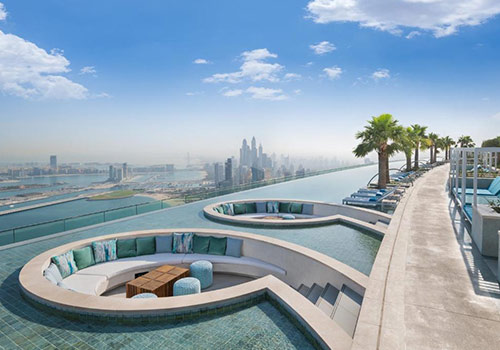
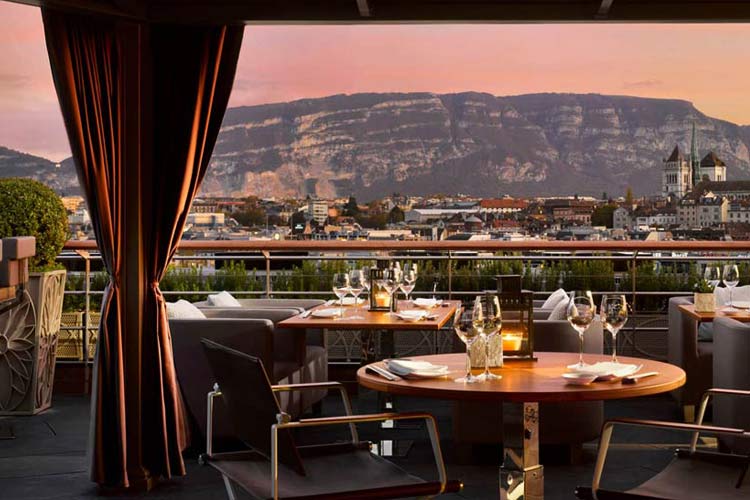
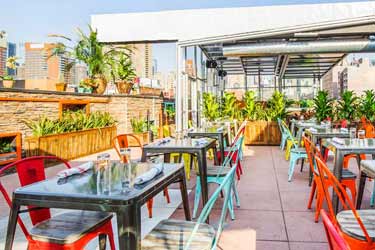
Rooftops, simple architectural features, but not for adults with neurodivergent symptoms. For them, rooftops are natural sensory relief and autonomy, benefits that indoor environments might fail to provide.
Rooftops have the potential to regulate some of the neurodivergent symptoms, for example:
For many neurodivergent adults, sensory overload intensifies quickly, especially in enclosed or noisy environments such as offices or schools. Rooftops have immediate access to a more predictable sensory landscape:
In this way, rooftops function as real-time sensory buffers, offering emergency escape when needed.
Fresh air benefits both physical and emotional well-being. Short, frequent "fresh air doses" of even 10-20 minutes on a rooftop, in a garden, or in a park can reduce overload between cognitively demanding or socially intense tasks. Studies also show that fresh air improves focus and general executive functioning.
One of the explanations why rooftops and other fresh air environments have such a positive influence on neurodivergent symptoms in adults is the Attention Restoration Theory. This theory claims that since nature is very familiar to our brain, being in there requires resources. Due to lowered usage of these attention resources, executive function systems reset and save that energy for more demanding tasks.
One symptom of being neurodivergent that technologies have made even harder to cope with is stimulation seeking. Many individuals with ADHD, ASD, or AuDHD do everything with their phones or something playing in the background because their brains lack dopamine.
Rooftop spaces, in turn, can be curious, creative, and joyful for exploration. Every time a person is on a rooftop, they have a little adventure without requiring overwhelming effort or risk. This can activate similar dopamine production that also boosts motivation and energy.
There are plenty of little games on rooftops that can serve as a break:
Social environments can be challenging for many neurodivergent adults because they involve sensory overload, crowded spaces, unpredictable conversations, and limited opportunities to decompress. Rooftop settings naturally reduce these barriers:
Because rooftop events feel less formal, they are less intense for adults with neurodivergent symptoms. This makes social interaction more manageable and enjoyable.
It's not true that if motor skills weren't properly developed in childhood, they are lost causes. Although early development is important, everybody, including adults with neurodivergent symptoms, can improve their motor skills. Rooftops can be a perfect platform for that.
Fresh-air settings like rooftops naturally encourage game: running, climbing, balancing, throwing, cycling, etc. All of these activities build strength, coordination, and balance, areas that can be delayed in ASD/ADHD. Systematic research on motor interventions in neurodivergent children shows that practice in "unfamiliar" or non-clinical environments can be particularly effective.
For adults who grew up feeling clumsy, constrained, or judged in traditional physical environments, rooftops are perfect environments to practice without anyone watching, like in gyms. The combination of fresh air and open space turns movement into something enjoyable rather than stressful.
Designing rooftop spaces with neurodivergent needs in mind can transform them from simple architectural features into powerful regulation zones. It's also an important breakthrough in terms of promoting accessibility in architecture and engineering. Moreover, the needs of neurodivergent individuals are not that huge. For example:
Yes, neurodivergence shapes how a person processes the world. But no, it shouldn't define whether an adult with neurodivergent symptoms can function in a society. Neurodivergency is just a different way of perceiving the world.
It's time for the world to adapt to the unique needs of individuals with neurodivergent symptoms. Rooftops, with their natural openness and flexible sensory environment, offer a surprisingly powerful space for relief. By understanding neurodivergent needs, we can design rooftop environments that honor them.
Browse all the cities & articles at The Rooftop Guide


Follow The Rooftop Guide