
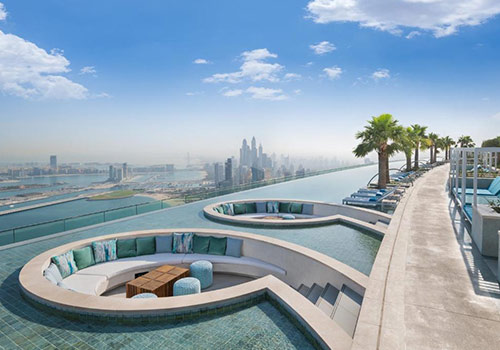
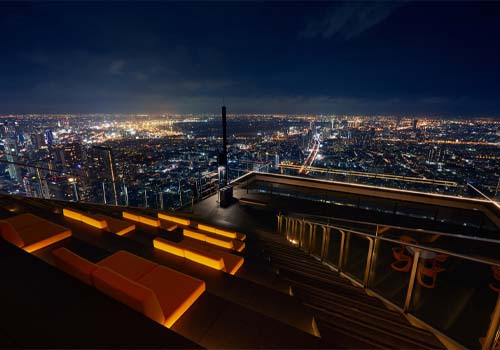
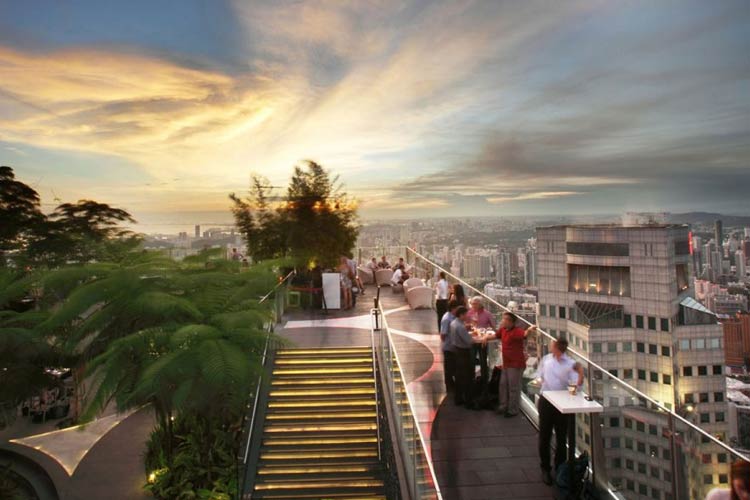
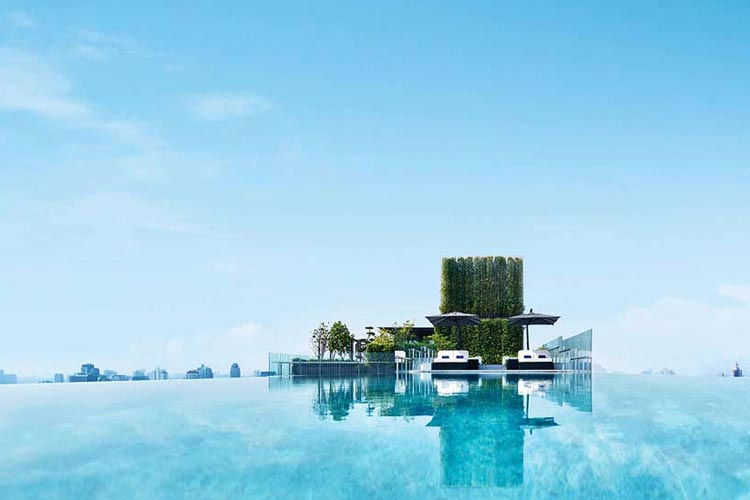
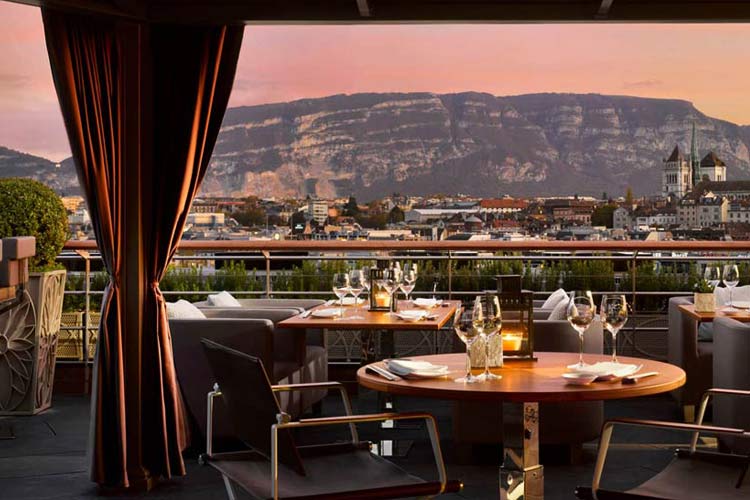
Rooftop venues have become some of the most evocative places in modern cities, defined by skyline views, open air, and the kind of effortless atmosphere that turns a casual drink into a shared moment. At the same time, interest in free poker has grown within digital communities, where players gather around virtual tables for the same mix of interaction and low-pressure entertainment. These two settings may look completely different, yet both speak to a wider cultural shift. People are seeking experiences that feel communal, simple, and socially engaging, whether they take place beneath city lights or on a screen.
Over the last decade, rooftops have moved from a niche curiosity to a defined sector of hospitality. According to one 2024 industry report, the global rooftop bar market was valued at around USD 6.2 billion, with projected growth continuing through the next decade. Developers and city planners have increasingly leaned on elevated spaces to meet demand for open-air leisure, particularly in dense urban areas where outdoor settings are limited. Rooftops in Berlin have hosted cultural nights and design markets, while Bangkok’s multi-level terraces continue to experiment with themed events, tasting menus, and pop-up collaborations.
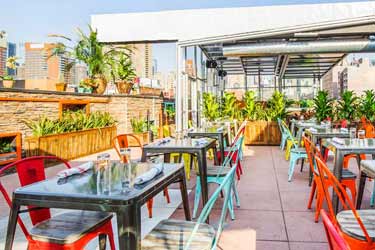
The choice of rooftops encourages social gatherings. Soft lighting, street seats, and a sense of remove from the streets below and above all help create an atmosphere that is potentially marketable for many events. The setting is social without the crowds and lively without the overpowering sense of noise. This is one of many reasons why digital communities dedicated to casual gaming have been popular with many people. The nature of the social setting, physical or digital, has a major impact on the social behavior of all individuals involved.
The digital gaming market is a good indicator of the potential value of cooperative leisure time. According to industry reports, there are at least 3 billion digital gamers worldwide, demonstrating the global, social nature of gaming. More specifically, the segment of the market for online poker is growing tremendously. Grand View Research recently published a report forecasting the online poker market to be over 3.86 billion dollars in 2024 and to grow to 6.90 billion by 2030. These trends correlate with widespread demand for simple social activities that are available on a spontaneous basis.
The social aspect of free poker games is low-pressure interactions with returning members of the poker community who recognize one another and foster a friendly atmosphere. These same characteristics are found in urban recreational activities as well. Individuals seeking out a relaxed night out with little structure. These activities are seamless and give a sense of participation in a larger, communal experience.
As leisure activities change, so do rooftop spaces. Many new activities catering to the location and audience of the venue have been introduced. These have included the installation of interactive digital tables in lounge areas in some of the rooftops in Tokyo; game corner activities in themed L.A. rooftop evening events; and the “social club” nights of Dubai rooftops, where live music, socializing, and giant chess and trivia games are played.
While these activities are not the main attraction, they contribute to the social feeling of the entire event. This general social feeling is articulated by people describing the events as social, even if they do not know anyone. This is the same feeling provided by many digital games built around an online community. Players socialize and participate in games while observing and passing in and out of the events. Rooftops provide the same light or full activity participation as online platforms.
When looked at together, these trends show how physical and digital leisure spaces are beginning to align. Rooftops offer open spaces where customers can enjoy the ambiance and atmosphere of a laid-back experience. Digital gaming communities, including poker games, go beyond geographical and regional boundaries to create a community of players. The online gambling market, including poker, is as vast as the $78.66 billion projected by Grand View Research for 2024. The value illustrates the growth of digital entertainment within global leisure.
The most relevant parallels between rooftops and online communities are cultural, not numerical. The market is growing to meet the desire for spaces where connections can happen, and customers are free to leave. Rooftops offer patrons the ability to flow, converse, and people-watch, while online gaming spaces provide the same: places where interaction occurs but is not required. The growth of both suggests that leisure as we know it is shifting from activities and venues with single purposes to spaces that are designed to hold a variety of activities and are dedicated to offering a social experience at the same time.
Even though rooftops and digital games are part of different cultural worlds, both are examples of a growing trend in providing communal, ambient, and accessible experiences. While rooftops foster a gathering of people, urban glass and digital platforms provide a venue where people meet at communal game tables and compete. The attractions of both experiences are built on a similar premise: social and memorable. As people in cities continue to evolve, these types of communal experiences are likely to dominate the ways in which people socialize in the coming years.
Browse all the cities & articles at The Rooftop Guide



Follow The Rooftop Guide