
Architecture in Rome is uniquely shaped by urban density, the strict heritage protection policies, and the proximity to historical sites like the Pantheon, Spanish Steps and the Vatican. Because of the preservation policies, the implementation of a rooftop area is technically challenging.
Hotels that want to successfully implement a rooftop must comply with the following local regulations:
Structural engineering aspects are load bearing substructures, waterproof membranes, thermal insulating materials, and wind loads. Also, terraces are built using lightweight and modular structures in order to not overload historic buildings.
Due to these restrictions, the construction of a rooftop is expensive. As a signal for careful planning, a rooftop clearly shows the long term strategic position of a hotel and not just a design trend.
A description of modern hospitality is provided by the term The Experience Economy that was created by economists. The guests are looking for atmosphere, exclusivity and experiences when they stay at an accommodation. The panoramic views and natural light from the rooftop of the hotel provides the following experiential benefits:
These aspects directly affect the ratings of the satisfaction of the guests. Frequently the studies of the hospitality management present a positive correlation between the view and the willingness of the guests to pay and their emotional connection with the property. Viewing the ancient ruins and the domes of the Renaissance from a height while being a tourist in Rome, guests can develop a better understanding of the history of the city and immerse themselves in it rather than just observe it.
Rooftop pools, bars, and fine dining restaurants can generate additional revenue streams in addition to room sales. Rooftop pools and bars are visited by both hotel guests and external customers.
Rooftop pools and bars provide the following revenue generating opportunities:
During the warmer months, hotels with rooftop pools in Rome can expand their offering. Seasonal capacity planning becomes important for the successful operation of rooftop pools.
The rooftop bar is becoming a marketing instrument. Social media is increasing the visibility of brands. Photos of skyline views are creating organic marketing and are influencing the decision of potential customers to visit Rome.
Rome's architectural context requires sensitiveness. Roofscapes should not be disturbing the surrounding architecture. Therefore, common design strategies for roofscapes are:
Lighting design plays a significant role as well. The warm indirect light of the lighting system creates a pleasant evening ambiance while complying with the urban light pollution regulations.
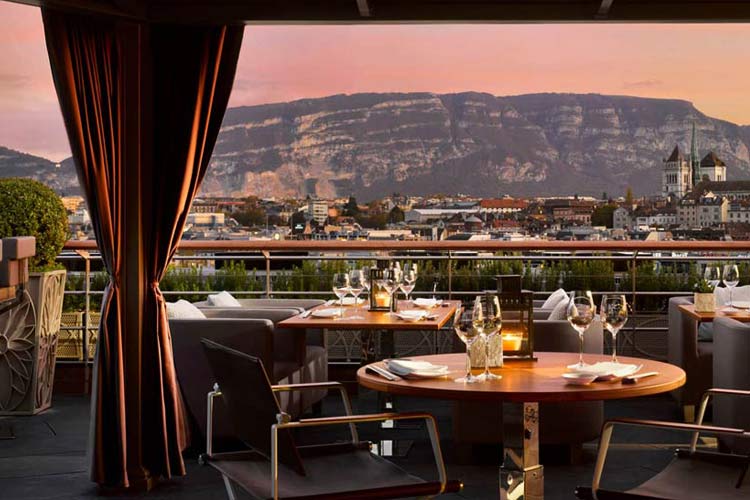
The combination of preserving the historical context and providing modern comfort is the defining feature of many of the most stunning hotels in Rome. The following selection of hotels with rooftop terraces can be seen as examples of how successful hotels with rooftop terraces have been designed in Rome.
Today sustainability is a leading criterion in hotel design. On rooftops, many different ways can be found to implement sustainable solutions:
The green roofs on buildings reduce the urban heat island effect and improve the thermal insulation of the building. This means that less energy is needed for air conditioning in Rome during its hot summer months and the environmental performance is enhanced. In addition to the reduction of the use of water resources through the integration of advanced systems for treating the water from the rooftop pool as well as for the water used for evaporation, there are also the modern rooftop pools with automatic monitoring of their water use in order to reach an efficient use of the water resources.
In addition to the physical aspect, there is also a psychological element of elevated areas as well. Viewing the world from elevated areas gives individuals a different perspective on their lives, creating feelings of relaxation and distance from daily routines and responsibilities; especially for those who travel to cities (urban travelers) where they can receive a mental break from the fast-paced environment of the city.
According to research by environmental psychologists, elevated views are positively related to the following psychological elements:
When viewing the ancient ruins and the Renaissance domes from an elevated viewpoint in Rome, the guest will be able to understand the history of the city in layers.
The luxury hotel market in Rome has many hotels that are international chains, boutiques and family run hotels; therefore, an additional area of differentiation in the luxury hotel market are the roof top facilities.
A key factor for hotels with a roof top facility to position themselves will be:
Some luxury hotels will limit access to the roof top to only guests at the top end of the room types, which can enhance guest perception of the quality of their room and create opportunities for upselling.
If a hotel does not have a roof top they may consider offering other unique experiences such as creating a high-quality spa experience or highlighting the historical aspects of the hotel's interior. A city that relies heavily on its visual identity, however, will have a strong opportunity to leverage elevated terraces to offer potential guests an experience they would be unlikely to find elsewhere.
While rooftop spaces are aesthetically pleasing, they also create operational complexity. Flexible staff scheduling is necessary due to weather dependence. The safety measures for wind, surface friction and crowd control must be implemented.
Other operational challenges are:
To meet these operational challenges, successful hotels need to develop structured operational plans for their rooftop spaces. These plans will integrate the management of the rooftop into the broader facility management systems of the hotel.
The views from the rooftops are an integral part of Rome's cultural heritage as a UNESCO protected visual asset. As such, hotels must consider how their rooftop areas affect the view corridors connecting Rome's iconic landmarks. A hotel's rooftop is therefore a platform for taking in the views of Rome, but also participates in the city's architectural dialogue. It is the responsibility of architects to design the rooftop area with the dual role of the rooftop in mind. In booking a hotel with a rooftop in Rome, visitors are not simply booking accommodations. They are paying for a vantage point into centuries of history.
The inclusion of rooftop terraces has changed the way hotels in Rome compete, design and convey their value. Architecture, psychology, revenue generation and sustainability merge in the elevated spaces of hotels and this supports tourism as well.
Rooftop access is now a key consideration for guests as they determine which hotel to choose in Rome; it will be the deciding factor on pricing, how guests perceive their stay at the hotel, and ultimately, the long term image of the brand in Rome. The City of Rome will continue to find ways to balance its preservation and innovation while roofscapes can be considered an extension of the new possibilities Rome provides. The concept of elevated hospitality is consistent with the vertically designed narrative of domes and towers that are representative of Rome.
Browse all the cities & articles at The Rooftop Guide


Follow The Rooftop Guide