
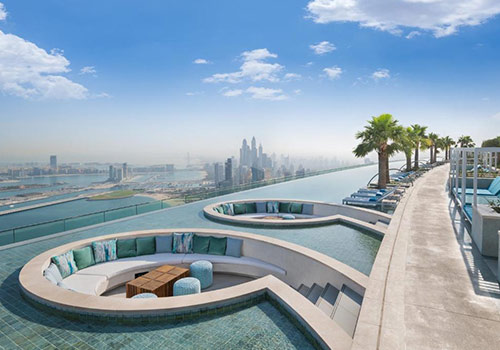
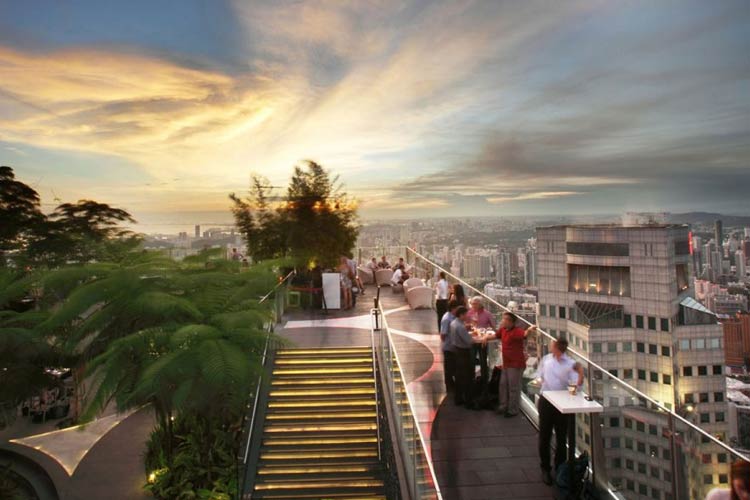
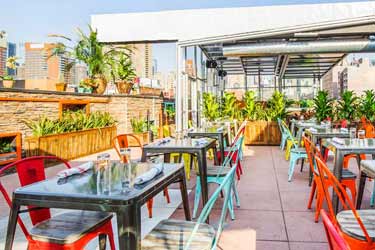
Rooftops have always been about escape. A little sunshine above the street, a cocktail with a view, maybe a pool if you are lucky. As 2026 unfolds, those elevated moments are lining up with some big shifts in global real estate, including emerging urban planning policies that could shape rooftop development, and the result could be a fresh wave of rooftop bars, restaurants, and social spaces that feel smarter, busier, and more intentional than ever.
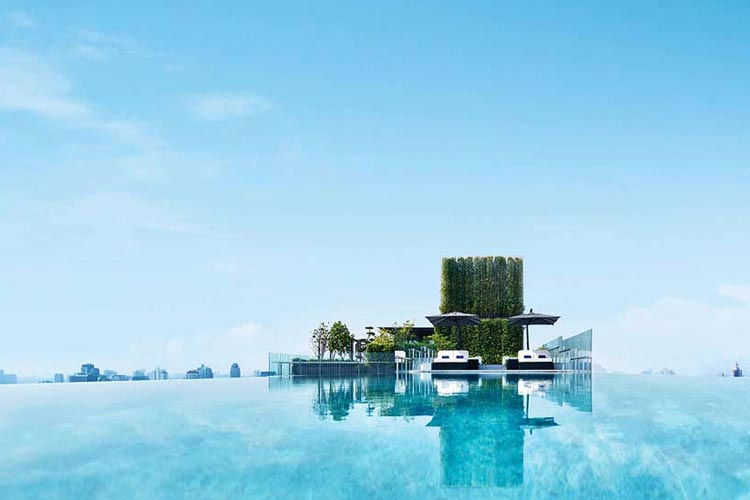
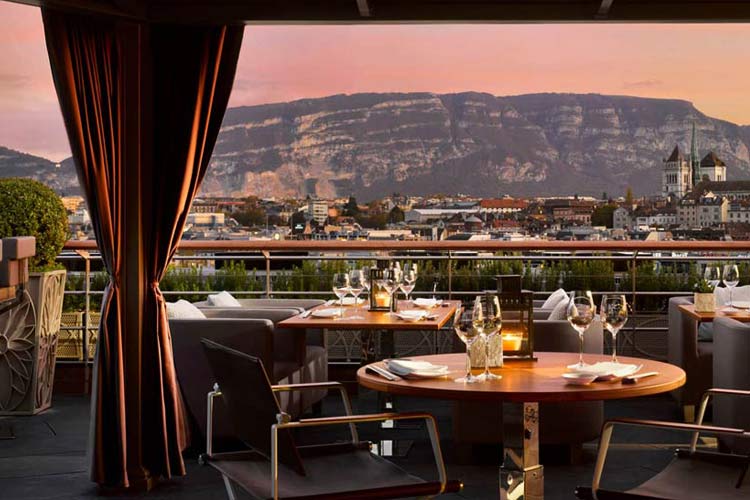
On the demand side, the signs are encouraging. Even as job growth cools in parts of North America, consumer spending has proven surprisingly resilient. People may be more selective, but they are still showing up for experiences that feel worth leaving the couch for. Domestic travel is a huge piece of that story, especially in Canada, where hotel spending jumped notably last year. For hotels and mixed-use projects, rooftops are an easy way to turn that travel energy into memorable moments, whether it is a sunset pool deck or a skyline-facing dining room that becomes a destination on its own.
This appetite for elevated experiences is not just about tourists. Cities like New York continue to see strong activity at the very top of the residential market. Luxury penthouses with sprawling terraces and skyline views are still drawing buyers, reinforcing the idea that outdoor space above street level carries real value. That same logic applies to hospitality. If private buyers are paying a premium for views and terraces, public-facing rooftops can tap into that same desire, offering a taste of the high life without the eight-figure price tag.
Investors are also warming back up to physical places. Retail properties that lean into experience are finding their footing again, with stronger occupancy and renewed deal activity. Rooftop venues, such as rooftop gardens with smart irrigation or augmented reality dining experiences, fit neatly into this comeback. A well-designed rooftop bar or restaurant can anchor a revitalised mall or mixed-use block, drawing foot traffic and extending dwell time. In cities where older retail centres are being reimagined, the roof is often the most flexible and exciting canvas.
Commercial real estate data is playing a bigger role behind the scenes as well. Higher interest rates have made capital more cautious, pushing investors to ask tougher questions and demand clearer numbers. For developers dreaming up new rooftop projects, that means sharper planning, realistic cash-flow forecasts, and better use of connected data platforms to tell a convincing story. The upside is that projects that do get funded are often more thoughtful and better aligned with how people actually use rooftop spaces.
Another quiet opportunity sits atop office buildings. Prime offices continue to attract tenants, but many average buildings are still struggling, with values well below pre-pandemic levels. Some owners are starting to look up, though they must consider safety, zoning, and environmental regulations when turning an under-used rooftop into an open-air lounge, event space, or seasonal bar. These measures can breathe new life into an asset and meet the ongoing love affair with fresh air dining and skyline views.
Taken together, these trends suggest that rooftops in 2026 will be less about novelty and more about strategic growth, inspiring confidence in new opportunities for cities and investors alike.
Browse all the cities & articles at The Rooftop Guide



Follow The Rooftop Guide