
Las Vegas still sells spectacle, but the city's leading resorts are no longer leaning on casino imagery alone. The strongest properties are designed to keep guests circulating through multiple experiences in a single visit, rooftop bars, headline residencies, pool decks, fine dining, retail, and gaming floors all feeding the same commercial ecosystem. The appeal comes from range, not just flash.
Gaming remains central in Sin City, but it no longer carries the full weight of the resort proposition by itself. Properties stand out by turning atmosphere, programming, and foot traffic into something that already feels eventful before anyone reaches a blackjack table. In a market crowded with luxury, that fuller sense of momentum can be more valuable than the casino floor on its own.
The Las Vegas Convention and Visitors Authority said the city welcomed 38.5 million visitors in 2025, along with 6.0 million convention attendees, about 150,300 hotel rooms, and an average occupancy rate of 80.3 percent. Even in a softer year, that is an enormous tourism machine, and it depends on spending that stretches well beyond the casino floor.
Steve Hill, president and CEO of the LVCVA, framed that environment in January when he said, "Las Vegas operates at a scale that few destinations can match, and 2025 required us to remain nimble as conditions evolved." That flexibility shows up in resort design, where gaming space now sits beside rooftop lounges, destination dining, headline entertainment, and event-driven hospitality.
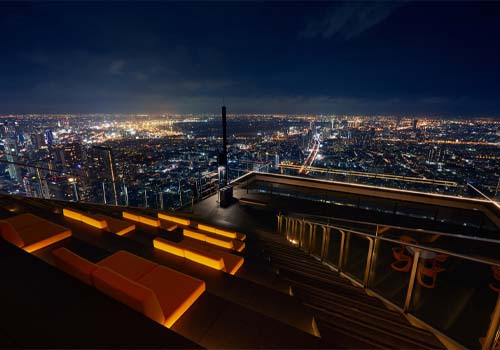
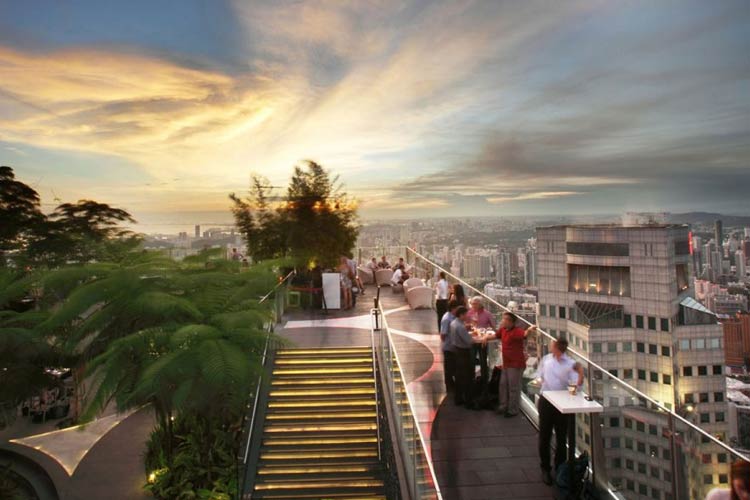
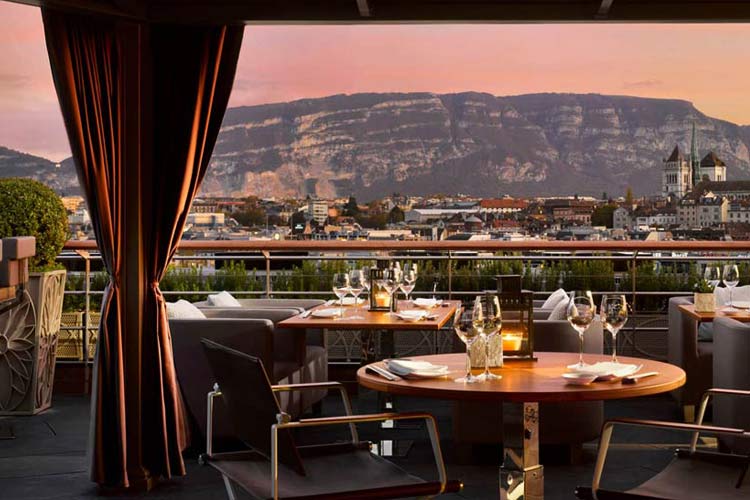
For travelers browsing skyline venues, the rooftop is no longer a decorative extra. Legacy Club at Circa, Allē Lounge on 66 at Resorts World, and the Foundation Room at Mandalay Bay all turn elevation into a premium part of the guest experience. The view is part of the value equation, not just a nice detail in the background.
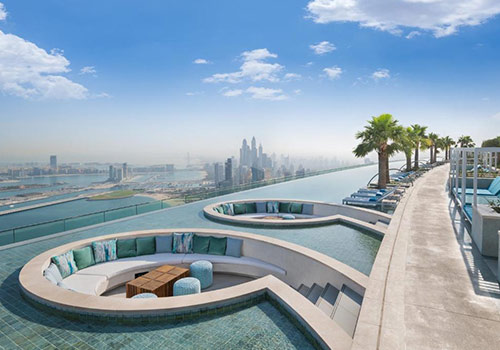
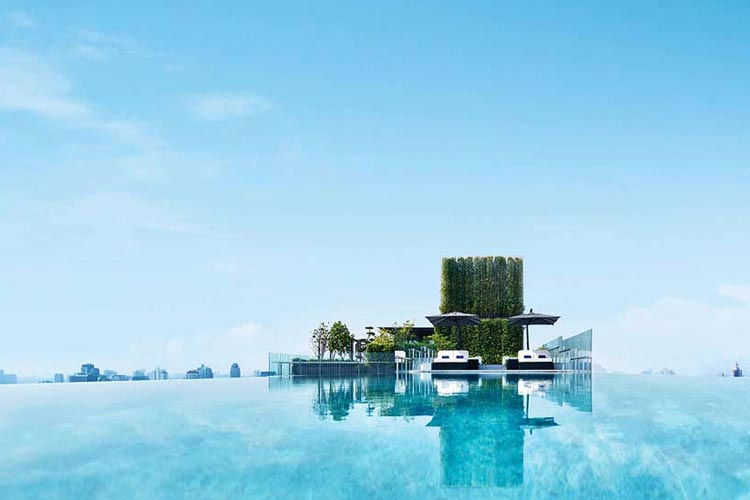
Daytime venues follow the same pattern. Resorts World markets its Athena infinity pool around Strip views, while Circa's Stadium Swim uses six pools and a giant screen to turn elevated space into an all-day draw. In practical terms, rooftops and high-floor decks now work as branded inventory, social backdrop, and revenue asset at the same time.
The clearest example is Formula 1. The Las Vegas Grand Prix is scheduled to return from November 19 to 21, 2026, and race week sharply increases the value of terraces, rooftop decks, and elevated hospitality spaces near the route. A bar with a skyline view can become a watch point, a networking zone, and a premium event perch within the same weekend.
The same logic carries across the city's wider calendar of Las Vegas events. WrestleMania 42, UFC International Fight Week, and major convention weeks all reshape how resorts price space and move guests through a property. During those stretches, altitude is not simply aesthetic. It becomes part of the event economy.
Rooftop venues also help explain why the audience mix has changed. Convention visitors may want a polished place for one drink after meetings. Concertgoers often look for somewhere photogenic before the show. Couples read rooftop pools and skyline lounges as part of the luxury package, while groups want a venue that feels social, easy to book, and visibly "Vegas" from the first round onward.
The broader appeal matters because it pulls in people who are not building the trip around gambling alone. A strong rooftop venue can serve the non-gambler, the casual gambler, and the committed casino customer in the same hour, which gives operators more chances to hold guests on site instead of losing them to the property next door.
This is where the resort model becomes easier to read. The casino remains central, but it now sits inside a wider hospitality system designed to keep a guest moving through multiple spend points over the course of a day. The current Strip model is less about a single headline attraction and more about overlap, where dining, nightlife, event access, and gaming all reinforce one another.
Bonus Finder's review team, known for structured casino evaluations, points to the growing role of hospitality and events in resort strategy. In Las Vegas, said observation aligns with what the market has been showing for years, especially as integrated resorts push harder on entertainment, premium views, and longer on-property dwell time.
None of this makes the gaming floor less important. It simply means casino entertainment performs better when the rest of the resort is doing its job. A rooftop pool can bring a guest in during the afternoon, a concert can keep them on site into the evening, and a late drink with a view can pull the night forward until the sportsbook, table games, or slots become the final stop rather than the first one.
A simple way to understand the current formula is this: elevated space creates the visual hook, event supplies urgency, food and drink extend dwell time, and the casino benefits from the traffic that follows.
That is also why rooftop bars in Las Vegas matter commercially, not just aesthetically. They give resorts a way to monetize atmosphere, while keeping gaming close enough to remain part of the night without asking every guest to make gambling the center of the trip.
There is a practical benefit to this wider mix. When visitor totals soften, resorts with more ways to monetize a stay are usually better insulated. Rooms, nightlife, premium views, food and major entertainment can help offset pressure on any single revenue stream, which is one reason event-led resort strategy now feels less like a trend and more like standard operating logic.
Las Vegas still sells fantasy, but the sharper resort model is no longer built on gaming alone. It sells altitude, timing, and access, a skyline table before a show, a rooftop deck during race week, a pool with a view in the afternoon, then a casino floor downstairs when the night turns. That mix feels less like a passing flourish now, and more like the city's settled formula for the next chapter.
Browse all the cities & articles at The Rooftop Guide



Follow The Rooftop Guide