
Planning your dream getaway for 2026 and deciding between the magic of the Mediterranean in Ibiza and Mallorca or the Caribbean charm of Riviera Maya? You are not alone. These three spots are perennial bucket list items for travelers, but they offer wildly different experiences and picking the wrong one could mean missing out on your ideal vacation.
I've been traveling these coastal gems for years and the reality is there's no one "best" choice. But we have the perfect match for the way you like to travel. So here's the lowdown on Ibiza vs Mallorca vs Riviera Maya so you can make the best choice for your 2026 getaway.
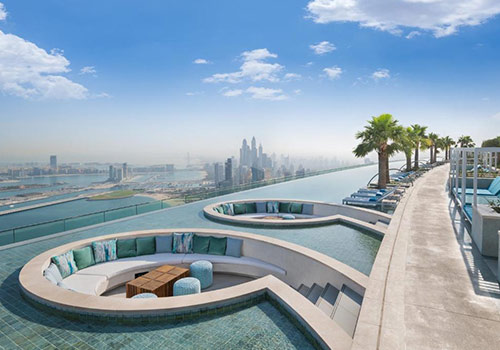
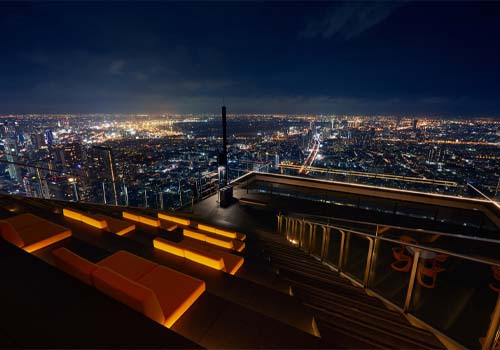
Ibiza offers world-class nightlife with bohemian beaches and exclusive rooftop venues. Think sunset champagne bars over crystal-clear waters, legendary DJ sets and a vibe that's both hedonistic and surprisingly spiritual.
Mallorca has a sophisticated Mediterranean charm with dramatic mountains in the background, hidden coves and a more refined atmosphere. It's Ibiza's grown-up sibling; glamorous but with a little less effort.
Riviera Maya is a Caribbean gateway with Mayan mystique. You'll find powder-soft beaches, ancient ruins, cenotes (natural sinkholes) and an all-inclusive infrastructure that makes luxury surprisingly affordable.
The weather is similar in both Balearic Islands but when is more important than you think.
Peak Season (June-September): Expect temperatures in the range of 77-86°F (25-30°C) with little rainfall. The sweet spot is June and September, when Mediterranean waters are warm but crowds are smaller and prices are lower than in the July-August madness.
Shoulder Season (April-May, October): This is my secret weapon for visiting either island. Temperature range of 64-75°F (18-24°C). October in Mallorca is especially beautiful. The sea is still warm from summer and the hiking trails through the Tramuntana mountains are at their best.
Winter (November-March): Mallorca is a cyclist's paradise with mild temps and quiet roads. Ibiza basically goes into hibernation: most beach clubs and rooftop bars close until spring.
Riviera Maya works on a whole different calendar.
Dry Season (Nov-April): This is the best time to visit. Temperatures will be around 77-84F (25-29C) with refreshing breezes and little to no rain. December through February sees the largest crowds escaping northern winters.
Shoulder Season (May, November): Still great weather, but fewer tourists, better deals. May is muggy, before the start of the rainy season.
Rainy Season (June-October): The fun begins now. Yes, more rain, but it usually comes in short, dramatic bursts in the afternoon. Hurricane season (June-November) is a consideration, though direct hits are infrequent. The good news: Much lower prices and much smaller crowds.
For Ibiza or Mallorca try booking for late May or September. For Riviera Maya, the sweet spot is late November or early December (after hurricane season, but before Christmas price increases).
Ibiza's 210 kilometres of coastline contain an impressive range of experiences. West coast, you'll find those Instagram-famous sunsets at beaches such as Cala Comte and Cala Bassa: turquoise shallows, rusty-red cliffs.
The scene changes in the north. Benirràs is windswept and has drum circles at sunset. Hidden Cala d'en Serra offers a peace that seems impossible for Ibiza's party reputation.
The beaches on the south side, such as Las Salinas and Playa d'en Bossa, have beach club glamour and excellent sand. The water is more a bright turquoise than a deep blue and the rocky areas provide surprisingly good snorkeling.
Mallorca has over 300 beaches so you have options for days. The island's renowned calas -- miniature coves with powdery sand and crystalline water set against pine-clad cliffs -- are located along the south and east coasts.
Cala Mondragó, Es Trenc (Mallorca's longest natural beach) and Cala Varques are the Mediterranean at its best. The water here is a slightly deeper blue than Ibiza's turquoise, and the mountains meeting the sea make for dramatic backdrops.
For anyone planning a yacht charter Mallorca trip, the northwest coast around Sóller and Deià offers protected coves and quiet swimming spots that are often best reached by boat.
The north (Alcúdia, Pollença) has longer, wider beaches perfect for families, while the Sierra de Tramuntana coast in the west provides those spectacular clifftop views.
So let's just get this straight: Riviera Maya's beaches are currently in the battle against the sargassum. Since about 2015, brown seaweed has been impacting Caribbean coastlines with seasonal influxes, particularly from May through August.
But here's what a lot of articles won't tell you: your location and the time of year make a huge difference. Beaches in Playa del Carmen may be heavily impacted while those in Tulum could be pristine -- sometimes within the same day. Many upscale resorts hire cleanup crews, and have pretty much solved the problem for their beachfront.
Riviera Maya beaches are really spectacular when conditions are good (usually November-April). Imagine sand like talcum powder, bath-warm waters of azure and emerald hues and gentle waves for swimming.
Akumal is the place to come face to face with sea turtles right from the beach. Tulum's beaches are a mix of Mayan ruins and postcard views. As its name implies (Paradise Beach), the water at Playa Paraíso is shallow and calm, extending far from shore.
The Mesoamerican Barrier Reef is the second largest reef in the world, and snorkeling and diving here is better than in either Balearic Island.
If you want world-class clubbing and rooftop glamour, this decision just got easy. Ibiza is home to clubbing as we know it, and its rooftop scene dovetails perfectly with beach clubs and legendary nightspots.
Ushuaïa is technically an open-air club but with stunning elevated areas, Pacha's rooftop and countless boutique hotel terraces are legendary venues that host world-famous DJs throughout the summer season. The scene ranges from upscale-hippie sunset spots in San Antonio to sophisticated Ibiza Town rooftops where the dress code actually matters.
You can actually cruise from one beach club to another on a yacht charter Ibiza experience, anchoring for sunset sessions before heading to the clubs.
And here, nightlife is not just part of life, it's the soul of the island. Expect to pay premium prices (cocktails €15+, club entry €50-80+) and know that the season matters enormously. July and August bring the big names, June and September offer the same quality with room to breathe.
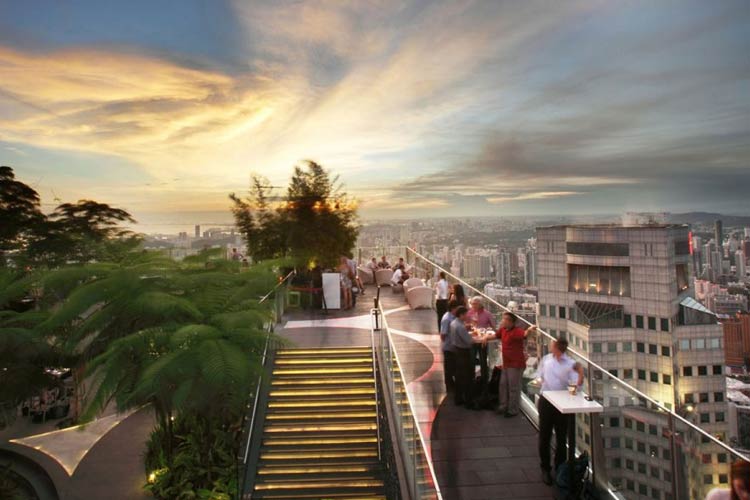
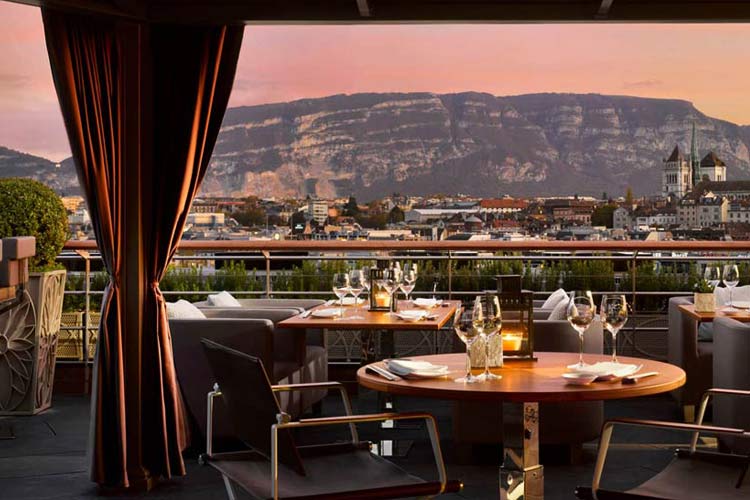
Mallorca's rooftop game is a little more sophisticated. The capital Palma has a great selection of rooftop bars and restaurants: think stylish terraces overlooking the gothic cathedral and marina rather than pounding bass lines.
Sky Bar at Hospes Maricel, Rooftop Bar at Hotel Mama and other venues along the Paseo Marítimo serve sunset cocktails, where real conversations can happen.
The party scene is there (Magaluf is still a budget party destination, Santa Catalina in Palma is more hip), but it's not what most people go to Mallorca for. This island is all about good food, wine culture and scenic beauty rather than all night raves.
Riviera Maya's 'rooftop' scene is a very different story, as most of the development is kept low-rise (regulations protect sight lines to the ocean and ruins). Instead you'll get great beach clubs, cenote parties and jungle venues.
The nightlife is most developed in Playa del Carmen along Fifth Avenue (Quinta Avenida). Beach clubs such as Kool Beach Club and rooftop terraces at hotels like Thompson Playa del Carmen are popular. Now Tulum is a world-renowned party destination, with places like Papaya Playa Project and Taboo playing electronic music in the jungle and on the beach.
The vibe is more bohemian-meets-luxury than Euro-glam. You'll be more likely to party at a full-moon gathering at a cenote or an electronic sunset on the beach than with a glass of champagne on a traditional rooftop.
Ibiza is affordable for almost all budgets, apart from July-August when prices shoot up.
Budget: Hostels and budget hotels in San Antonio and Playa d'en Bossa are from €40-80/night in shoulder season. Expect summer peak €100+.
Mid-Range: Boutique hotels & Airbnb apartments €120-250/night in shoulder season, €250-400 in summer. San José, Santa Eulària and villages on the north coast offer better value than Ibiza Town.
Luxury: Top of the line hotels, villas and fincas (traditional farmhouses) run €400-1000+/night. Mediterranean luxury is defined by properties such as Nobu Hotel Ibiza Bay and Six Senses Ibiza, to name a few. Private villas with staff can run over €5,000/night in peak weeks.
Generally Mallorca is 20-30% better value than Ibiza for similar quality.
Budget: Hostels and basic hotels in Palma or resort areas start around €35-70/night shoulder season, €80-120 peak.
Mid-Range: Great boutique hotels & country fincas €100-200/night off-peak, €180-300 in summer. There is incredible value hidden in the countryside between Palma and the coast.
Luxury: The top hotels (Cap Rocat, Belmond La Residencia, Son Bunyola) have world-class experiences for €350-800/night, often cheaper than comparable hotels in Ibiza. Especially for groups, private villas are a great value.
Riviera Maya's accommodation set up is a completely different ball game as all inclusive resorts dominate the scene.
Budget: $30-60/night for hostels and basic hotels in Playa del Carmen. In Puerto Aventuras or Akumal, basic all-inclusives are $80-150 a night per person.
Mid-Range: All-inclusives (Barceló, Occidental, Catalonia) quality $120-250/night per person including meals, drinks & activities. Tulum Boutique Hotels $100-250/night room only
Luxury: Upscale all-inclusives (Secrets, UNICO 20°87°, Andaz Mayakoba) are $300-600/night/person. Luxury boutique hotels (Azulik, Habitas) and luxury villas Riviera Maya properties: Tulum properties range $400-1500+/night, often without traditional amenities like TVs and AC (intentionally).
Value Perspective: $500/night for a high-end Riviera Maya all-inclusive means the meals, premium alcohol and activities are included. Same budget in Ibiza or Mallorca is accommodation only. Add €100-150 a day for food and drinks.
Ibiza is not just clubs and beaches. It's the cultural depth that shocks. Dalt Vila (Ibiza Town's walled old town) is a UNESCO World Heritage site, and offers stunning sunset views. The hippy markets of Punta Arabí and Las Dalias offer crafts, live music and bohemian vibes. Further inland, the island's interior is dotted with sleepy villages such as Santa Gertrudis and San Carlos, where locals still meet in traditional cafés.
In opposition to the party reputation are yoga retreats and wellness centers, and the restaurant scene has grown to include Michelin-starred eateries alongside beach grills.
Mallorca is very good for activities. The Serra de Tramuntana mountains are world-class for hiking and cycling (pros train here in winter). The wild coastline is a fantastic place for rock climbing, coasteering and sea kayaking.
Cultural highlights are Palma's cathedral (La Seu), the picturesque village of Valldemossa and the stunning Sa Calobra drive. The charm is added to by traditional markets, wine tours in the interior of the island and the historic train between Palma and Sóller.
The food scene is as good as anywhere in Spain. From basic tapas bars to cutting edge Michelin restaurants.
Riviera Maya's unique selling point is how beach luxury meets archaeological wonder and ecological diversity.
The Caribbean looks out on Tulum's clifftop Mayan ruins. Cobá jungle with climbable pyramids. Chichén Itzá (one of the New Seven Wonders) is 2.5 hours from the coast.
Cenotes are natural limestone sinkholes filled with crystal-clear freshwater and you can go swimming, snorkeling and diving there like nowhere else on Earth. Gran Cenote, Dos Ojos and Cenote Azul are but a tiny drop in a sea of thousands across the area.
Xcaret, Xel-Há and Xplor eco-parks offer adventure activities and cultural shows. Sian Ka'an Biosphere Reserve: Nature at its best and a birdwatching heaven.
Lovers of nature will adore snorkeling or diving the Great Maya Reef, swimming with whale sharks (summer) or coming across turtles at Akumal.
Daily Budget for Mid-Range Travelers (per couple):
Ibiza (Peak Season):
Mallorca (Peak Season):
Riviera Maya (All-Inclusive High-End):
The Value Story: Riviera Maya's all-inclusive model can compete with or beat Ibiza/Mallorca pricing, while taking away from daily spending stress. The Balearics are better value in shoulder seasons (April-May, September-October) when you could spend 30-40% less than peak summer.
Choose Ibiza if:
Choose Mallorca if:
Choose Riviera Maya if:
So here's the bottom line: Ibiza vs Mallorca vs Riviera Maya isn't about which destination is "best". It's about what fits your travel DNA.
Ibiza has the energy and international scene. This is the place you'll talk about for years, the place where spontaneous nights become legendary stories. But you'll pay for the privilege and its seasonality means timing is all.
Mallorca provides the most complete Mediterranean experience. It's the island you can return to time and time again and find something new each time: whether that's a hidden cove, a mountain village or a spectacular cycling route. And it's also the best value of the three for the quality delivered.
Riviera Maya adds the exotic factor and the unbeatable convenience. Where else can you swim in an underground cenote in the morning, explore Mayan ruins for lunch, snorkel with turtles in the afternoon and watch the sunset from a beach club all within a 30-minute radius? The all-inclusive model removes the decision fatigue, but can be confining for some travelers.
My personal move 2026? I'd go to Mallorca in May for hiking and beach-hopping or Riviera Maya in November when the weather turns perfect and prices drop after Thanksgiving. But if you're reading this and your pulse raced at the mention of Ibiza's nightlife scene, well, you already know the answer.
No matter what you're into, 2026 seems like a good time to visit any of these places as travel patterns begin to normalize and new hotels, restaurants, and experiences keep popping up.
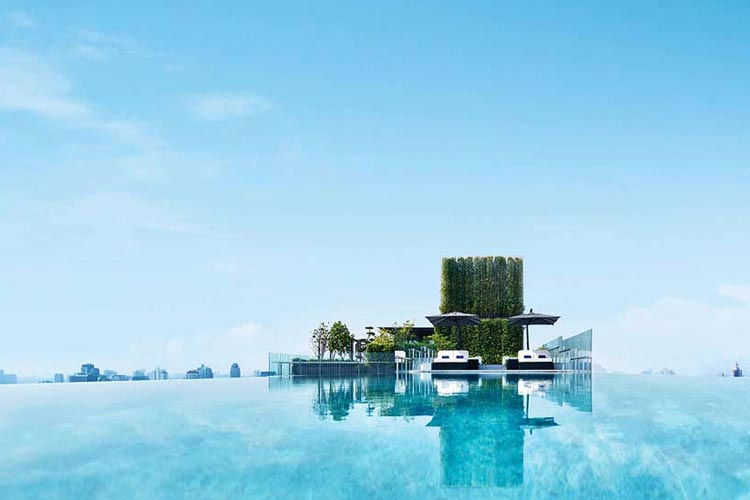
You're waiting for the perfect beach and rooftop paradise, and all you have to do is decide which kind of perfect fits your soul.
If you're travelling to Ibiza or Mallorca in the summer months, start looking for accommodation 4-6 months in advance, for the winter season in Riviera Maya, 2-3 months in advance. Your adventure is calling, 2026.
Overall Mallorca represents the best value for money with prices being 20-30% lower than Ibiza for the same quality. If you opt for all inclusive resorts with lodging, food and drinks, Riviera Maya can be very affordable. Ibiza is the most expensive one, especially in high season (July-August).
For pure Caribbean beach perfection (when sargassum seaweed isn't in the picture), Riviera Maya takes the prize with powder-soft sand and turquoise waters. Mallorca offers the most variety with more than 300 beaches and dramatic cove landscapes. Ibiza has great beaches but is smaller with the party scene spilling out into many beach clubs.
Nightlife Ibiza is the undisputed champion, with world famous clubs, international DJs and rooftop venues. Mallorca's nightlife is more upmarket, with an emphasis on smart rooftop bars and dining rather than mega-clubs. If you want to party it out, Ibiza is the easy winner.
Ibiza and Mallorca: late May, June or September are the best times to go with the best combo of weather, fewer crowds and value. Riviera Maya: best weather is mid-November to early December, after hurricane season and before holiday price rises. If you're worried about seaweed, avoid Riviera Maya May-October.
Mallorca is the most family-friendly with calm beaches, family resorts, activities and cultural sites. Riviera Maya is great for families, with kids' clubs and calm waters at all-inclusive resorts. Ibiza is good for families, but it's really for adults more than anything else -- especially in summer.
Yes, ferries run between Ibiza and Mallorca. The trip takes between 2 and 4 hours depending on the ferry and the route. But every island deserves a few days to explore properly. If you want to see both in one trip, consider spending 3-4 days on each.
Playa del Carmen is 45 minutes from Cancun Airport, Tulum is 90 minutes and most Riviera Maya resorts fall somewhere in between. Ground transportation is well organised with shuttles, private transfers and rental cars readily available.
Mallorca boasts the most refined food culture, with Michelin-starred restaurants, traditional Spanish cuisine and outstanding wine regions. Ibiza has moved on from party food to high-end dining. Resorts in Riviera Maya offer fresh seafood, authentic Mexican food, and international cuisine, making it a good choice.
Yes, the Riviera Maya tourist corridor (Cancun to Tulum) is still generally safe for tourists with a heavy security presence protecting resort areas. As in any destination, remain in tourist zones, use registered transport and follow normal travel safety measures.
Ibiza: Useful but not essential, taxis and buses link main areas but a car gives better access to beaches.
Mallorca: Highly recommended for mountain villages and hidden coves and scenic drives.
Riviera Maya: Not needed if staying at an all-inclusive resort and booking organized tours; useful to explore cenotes and ruins on your own.
Browse all the cities & articles at The Rooftop Guide


Follow The Rooftop Guide