
The history I expected. The food, the kindness, the sheer scale of it all — that caught me completely off guard.
I thought I knew what to expect from Turkey. I had read the guides, scrolled through the photographs, and spent an embarrassing amount of time watching travel videos of hot air balloons drifting over fairy chimneys at sunrise. I booked one of the many Turkey Tours available online, packed my bag, and told myself I was prepared. I was not prepared. Not even slightly. Turkey is one of those destinations that refuses to be summarised in advance — a country so layered, so varied, and so quietly overwhelming that the only way to understand it is to go.
Here is what actually happened.
My flight landed at Istanbul Airport early on a Tuesday morning. By 9am I was standing in Sultanahmet, the old historic heart of the city, with the Hagia Sophia on one side of me and the Blue Mosque on the other, and absolutely no framework for processing what I was looking at.
The Hagia Sophia was built in 537 AD. That number sounds abstract until you are standing inside it, looking up at a dome that has been floating above the same spot for nearly fifteen hundred years, through empires and earthquakes and the rise and fall of civilisations. The mosaics catch the morning light. The scale of the interior defeats every expectation. I stood there for twenty minutes without moving and I was not the only one.
The Blue Mosque stands directly opposite, its six minarets rising against the Istanbul sky with a calm authority that makes the surrounding street noise feel irrelevant. Go inside between the prayer times, when the tourists thin out slightly, and find a corner to sit in quietly. The interior — walls of hand-painted Iznik tiles in blue and white, light filtering through stained glass, the faint echo of a city outside the walls — is one of the most beautiful spaces I have ever been in.
Between these two buildings is a park where locals sit, pigeons move in slow clouds, and the city goes about its morning. I bought a simit from a street cart — a sesame-covered bread ring that costs almost nothing and tastes wonderful — and sat on a bench trying to recalibrate my sense of where I was and what century I was in.
That is Istanbul in miniature. History on an incomprehensible scale, right next to ordinary life, right next to a man selling bread from a cart. No barrier between them. No velvet rope. Just the city, carrying all of it at once.
I had not been in Istanbul for four hours before I understood that eating in Turkey was going to be a serious business.
Lunch on my first day was at a small neighbourhood restaurant two streets back from the tourist main road — the kind of place with plastic chairs, a handwritten menu, and a waiter who brought dishes I hadn't ordered because he thought I should try them. What arrived was menemen — eggs scrambled slowly in a pan with tomatoes, green peppers, and spices — alongside warm bread, a bowl of thick yoghurt, and a small dish of olives. It cost almost nothing. It was one of the best meals I ate on the entire trip.
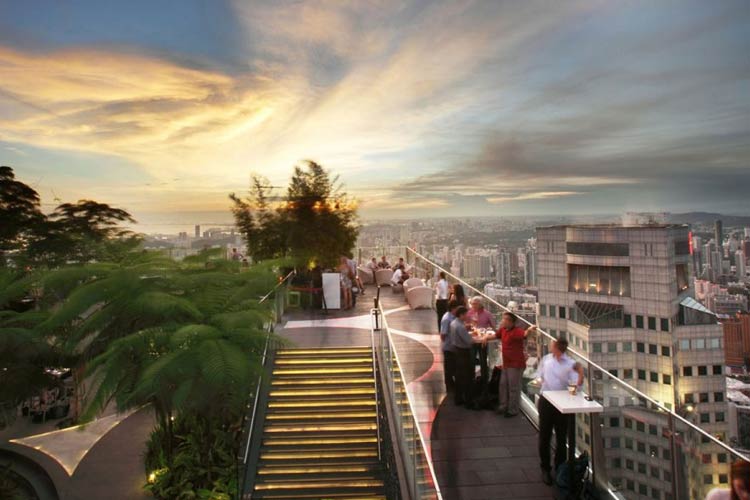
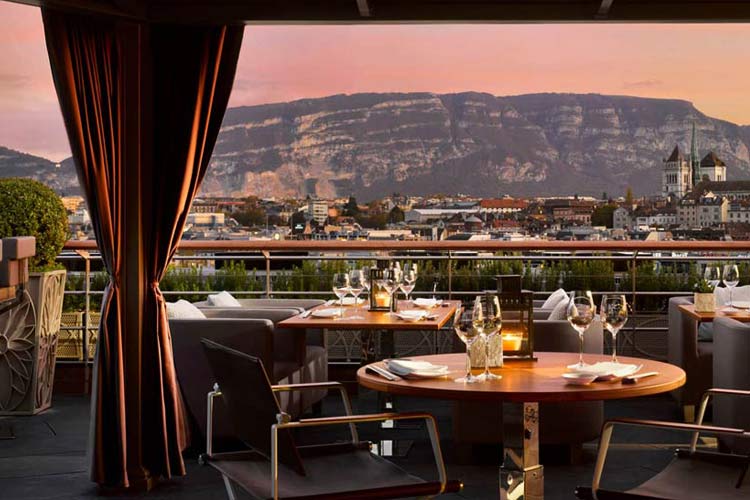
Dinner that evening was different in every way. A rooftop restaurant in Beyoğlu, Istanbul's most energetic neighbourhood, with the minarets of the old city visible across the Golden Horn and a menu that took Ottoman cuisine seriously. Slow-cooked lamb. A sequence of mezes that arrived in waves, each one more interesting than the last. Baklava so good it reframed the entire category.
Both meals were right. Both were Turkey. That range — from a plastic-chair lunch for almost nothing to a rooftop dinner worth every lira — is one of the things that makes the country so endlessly satisfying to eat your way through.
I flew to Cappadocia on day three and stepped off the transfer bus into a landscape that my brain initially refused to process as real.
Fairy chimneys — volcanic rock formations shaped by millions of years of erosion into columns, cones, and towers — rise out of the valleys in every direction. Cave churches are carved into cliff faces. Underground cities built by early Christian communities descend eight levels into the earth. The whole region looks like a film set designed by someone who had been asked to create a landscape that looked nothing like anywhere else on earth. They succeeded completely.
I woke up at 4:30am on my second morning for the hot air balloon. Nobody who has done this ever regrets it. Rising silently over the Göreme valley as the sky turns from black to deep blue to gold, watching the fairy chimneys emerge from the darkness below you, the only sound the occasional burst of the burner above your head — it is genuinely, uncomplicatedly magnificent. The kind of experience that makes you stop performing appreciation and actually feel it.
By the end of the trip I had been to Istanbul, Cappadocia, Pamukkale, and the Aegean coast. I had eaten magnificently, walked through ruins that had been standing since before the birth of Christ, floated over valleys at dawn, and swum in water so clear it looked invented.
But the thing I came home talking about most was none of that.
It was the tea. The way it appears without being asked for, in small tulip-shaped glasses, whenever you sit down anywhere in Turkey — in a shop, at a guesthouse, after a long walk. It was the carpet seller in the Grand Bazaar who spent forty minutes telling me the history of Turkish weaving without once trying to sell me anything. It was the family at the next table in a Cappadocia restaurant who gestured for me to try their food and laughed when my face gave away how good it was.
Turkey is a country that takes hospitality seriously in a way that stops feeling like a cultural habit and starts feeling like a philosophy. You are not just a visitor here. You are a guest. And the difference between those two things, once you have felt it, is impossible to unfeel.
Go once and you will understand. Go twice and you will stop trying to explain it to people who haven't been and simply tell them: go.
Browse all the cities & articles at The Rooftop Guide


Follow The Rooftop Guide