
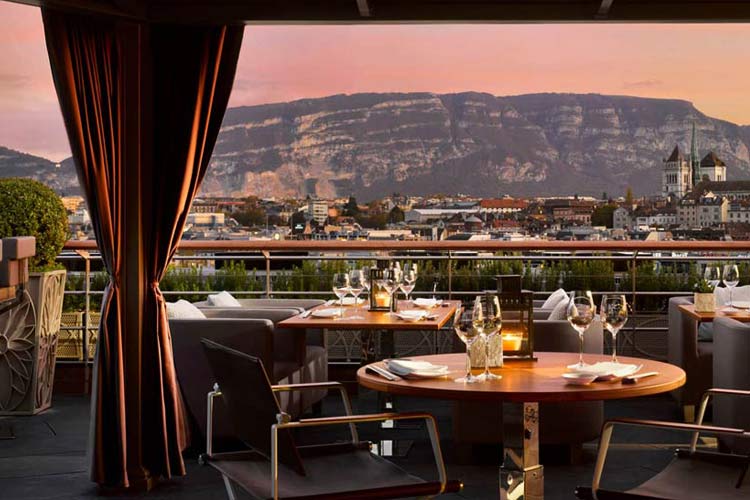
Rooftop venues are useful examples because they are planned, social, visual, and time-sensitive. A sunset booking has a different energy from a casual lunch. People check weather, arrival times, table details, dress codes, transport, and nearby options before they even reach the elevator. The evening already begins on a screen, so wallet-led behavior does not feel separate from the plan.
That is why when it comes to urban travel trends in 2026, people typically talk about hybrid entertainment, curated experiences, and digital services around physical places. A night out can still be centered on the view, the food, the music, and the company. The digital layer simply supports the parts around it: discovery, booking, payment, movement, messaging, and downtime.
The strongest wallets do not demand attention. They reduce small decisions while the evening is moving. That matters in leisure because the guest is not trying to manage a system. They want the plan to keep its rhythm.
This is where digital wallets in entertainment move beyond finance. The same person who uses a wallet for a rooftop booking may also use one for a ride home, a food order, a music app, or a short online game during a lull between plans. If you want a clear, payment-specific example, a crypto casino shows how cryptocurrency can sit inside an online gaming environment as one way to pay, with the page offering options such as Bitcoin, Ethereum, Litecoin, USDT, Bitcoin Cash, and more. It also provides a wide range of game categories, including pokies, table games, crash and specialty games, and baccarat, meaning lots of different people might be familiar with this kind of site, as it caters to many different tastes.
One fear around cashless entertainment is that it can feel colder or more automated. In practice, the better version is more human. It gives people more control over timing. It helps a group settle a bill without awkward math. It lets a traveler keep several payment methods available without carrying every card. It gives online leisure platforms a clearer way to show what has happened after a payment is made.
The key is context. A wallet used for a rooftop reservation is not doing the same job as a wallet used for a quick online activity. One supports a planned social experience. The other supports a short digital one. Placing both under the same payment behavior makes the trend easier to understand, because the user is not adopting technology in a vacuum across the whole evening. They are fitting it into real situations.
That is why digital wallets keep growing inside entertainment. They are not the headline of the night. They are the connective tissue between decisions in subtle, useful ways.
The modern night out is no longer split cleanly between "offline" and "online." A person can start with a rooftop reservation, use a mobile wallet at the bar, message friends from the terrace, check out transport options, and later move into a phone-based leisure activity. Each action is small, yet together, they show how entertainment has become more layered.
For readers, the practical lesson is to notice the payment method as part of the experience, not just the final step. Digital wallets shape how quickly plans move, how clearly choices are confirmed, and how comfortable people feel returning. That is especially true when cryptocurrency is involved, because trust depends on the coin, the platform, the user's familiarity, and the clarity of the transaction. A Frontiers in Blockchain study on consumer trust in cryptocurrency payments is useful here because it shows that trust is built through factors such as technology confidence, reputation, fees, stability, intermediaries, and retailer trust.
Browse all the cities & articles at The Rooftop Guide









Follow The Rooftop Guide